
Solutions for Robot Industry Post-maintenance
As robots evolve towards higher precision, higher load capacity, longer lifespan, and greater stability, core transmission components such as reducers place higher demands on lubricating materials during the maintenance phase. Lubricants must not only provide stable and long-lasting lubrication and wear protection under complex stress and micro-motion conditions, but also possess appropriate viscosity, good fluidity, thermal oxidative stability, and reliable sealing properties to prevent noise, vibration, and performance degradation.
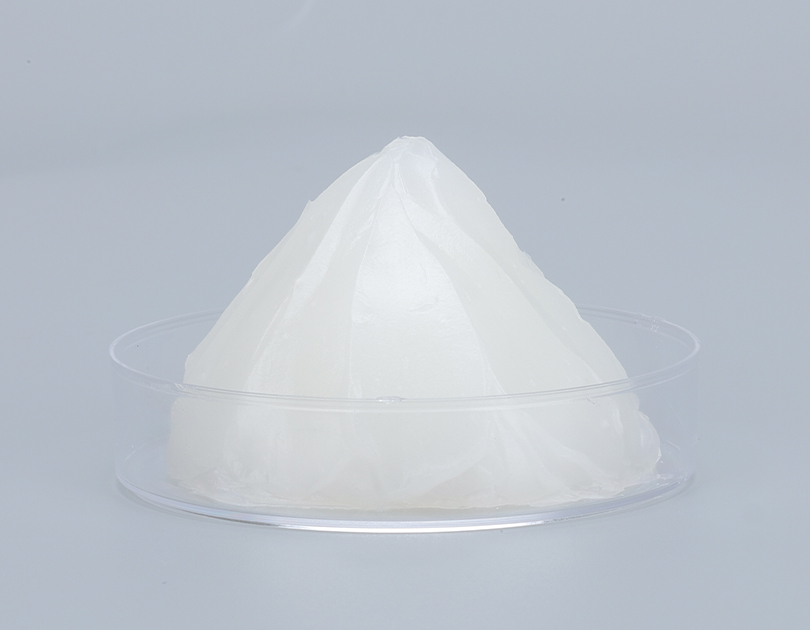
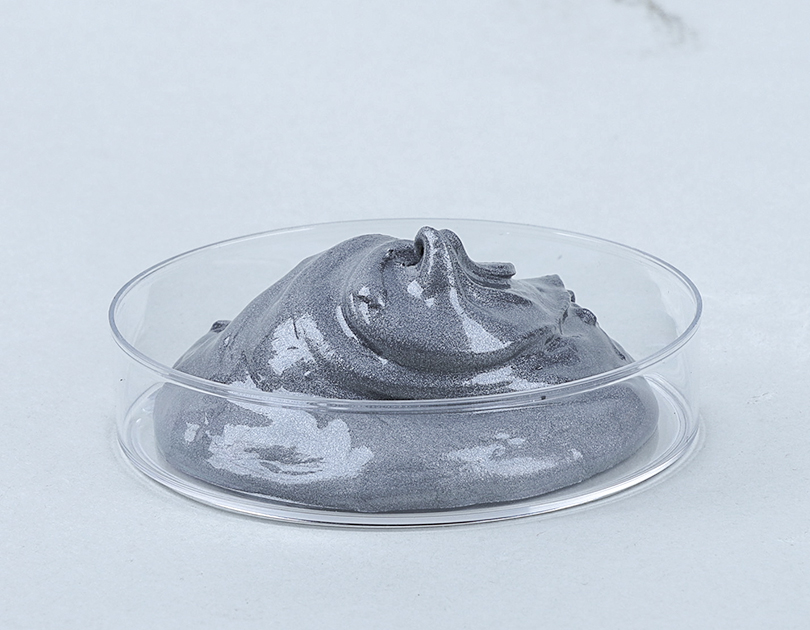
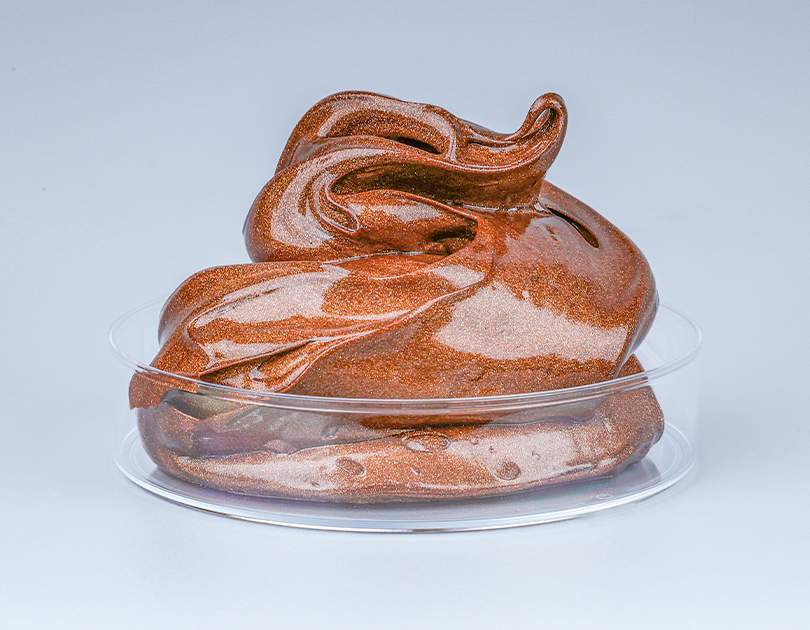
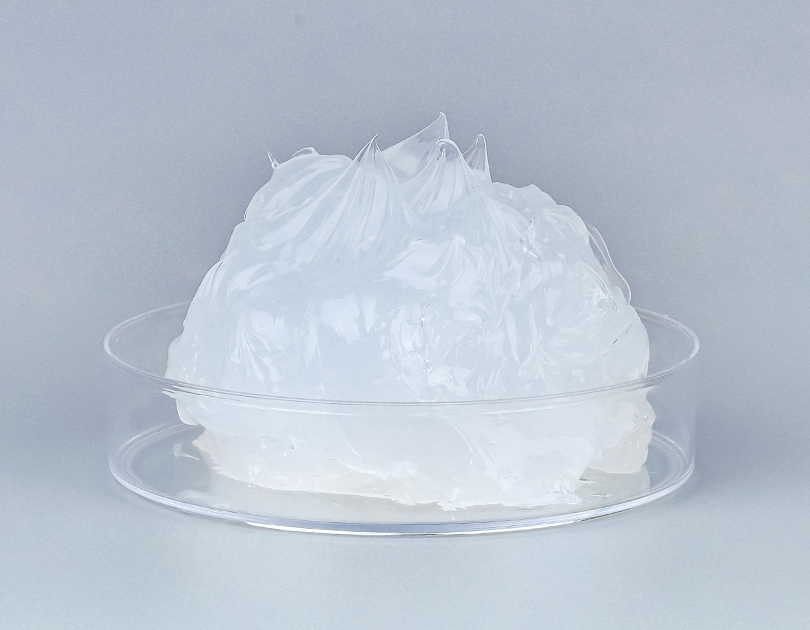
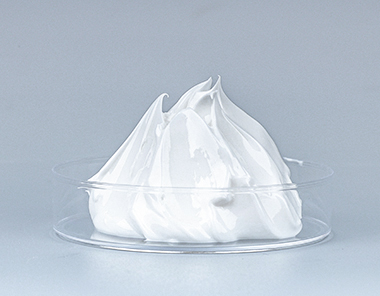
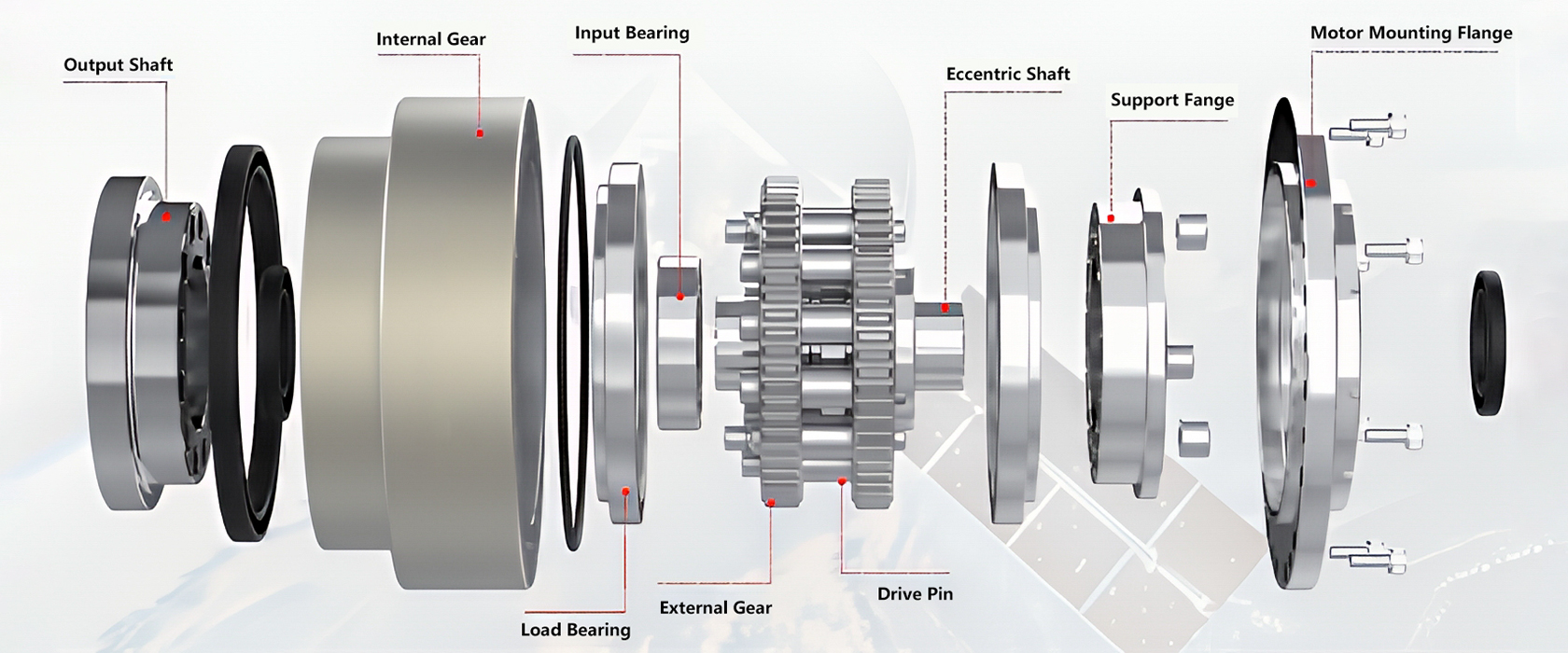
Vnovo offers specialized grease and gear oil solutions for the maintenance of RV and harmonic reducers, effectively reducing micro-motion wear and damage under extreme pressure conditions, suppressing vibration and noise, restoring transmission efficiency, and significantly extending the service life of the reducer and the entire system.
The following is a list of some commonly used Vnovo robot maintenance lubricants. We also offer other oils and greases to meet various application needs.
When selecting lubricating grease for the post-maintenance of robots, the core objectives should be restoring transmission performance and extending the lifespan of critical components. This requires considering the operating conditions, structural characteristics, and long-term stability. Key factors can be summarized into the following five aspects:
- Load capacity and wear resistance
- Viscosity matching and fluidity
- Noise reduction and vibration damping effects
- Thermal stability and oxidation resistance
- Seal compatibility and leak prevention performance
Overall, the selection of lubricating grease for robot post-maintenance requires achieving the best balance between “high load adaptability, long-term stability, and reliable noise reduction” to ensure the continued high-precision operation of the gearbox after maintenance.
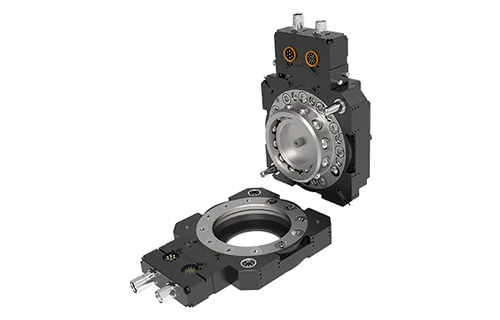
Core Transmission Components
Core robot transmission components require high precision, load capacity, service life, and temperature control. Lubrication should match reducer gear meshing and bearing movement, reduce friction and wear, and help maintain output accuracy, smooth motion, and long-term reliability.
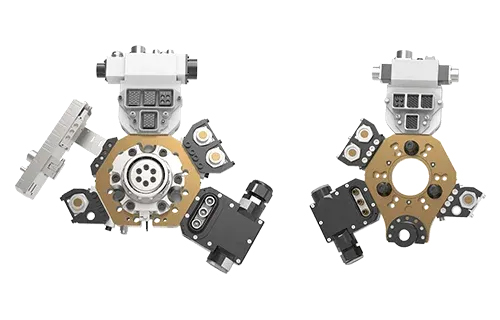
Robot Body Structural Components
Robot body joints operate under repeated oscillation, changing loads, and precise positioning. Lubrication should combine low wear, low noise, durability, and motion stability, reducing friction variation during start-stop cycles and supporting reliable continuous operation.
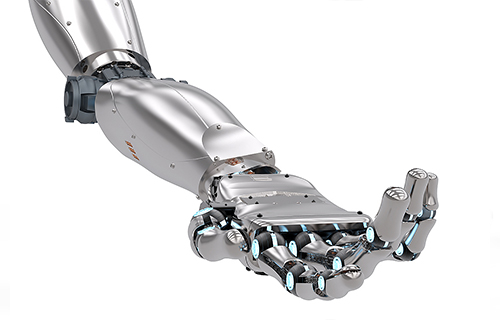
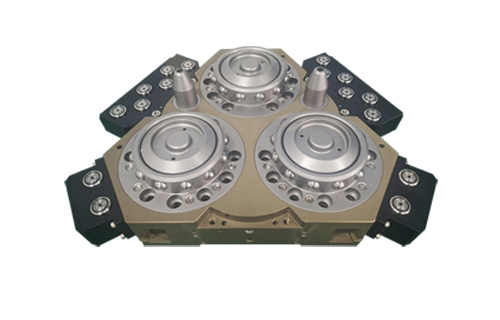
End-Effector Components
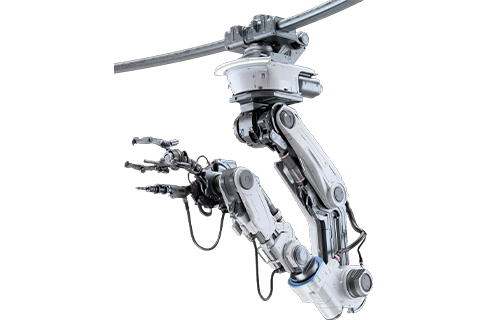
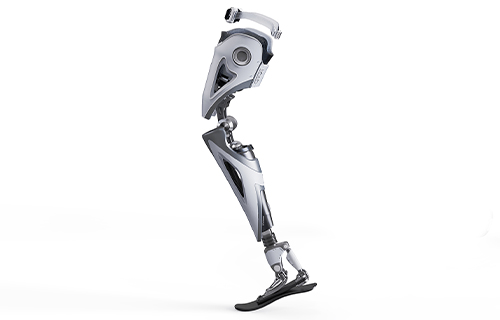
End-of-arm tooling performs gripping, rotation, push-pull movement, and fine positioning. Lubrication should support smooth motion, low friction, low noise, and material compatibility in compact mechanisms, helping repeated actions remain stable and consistent.