

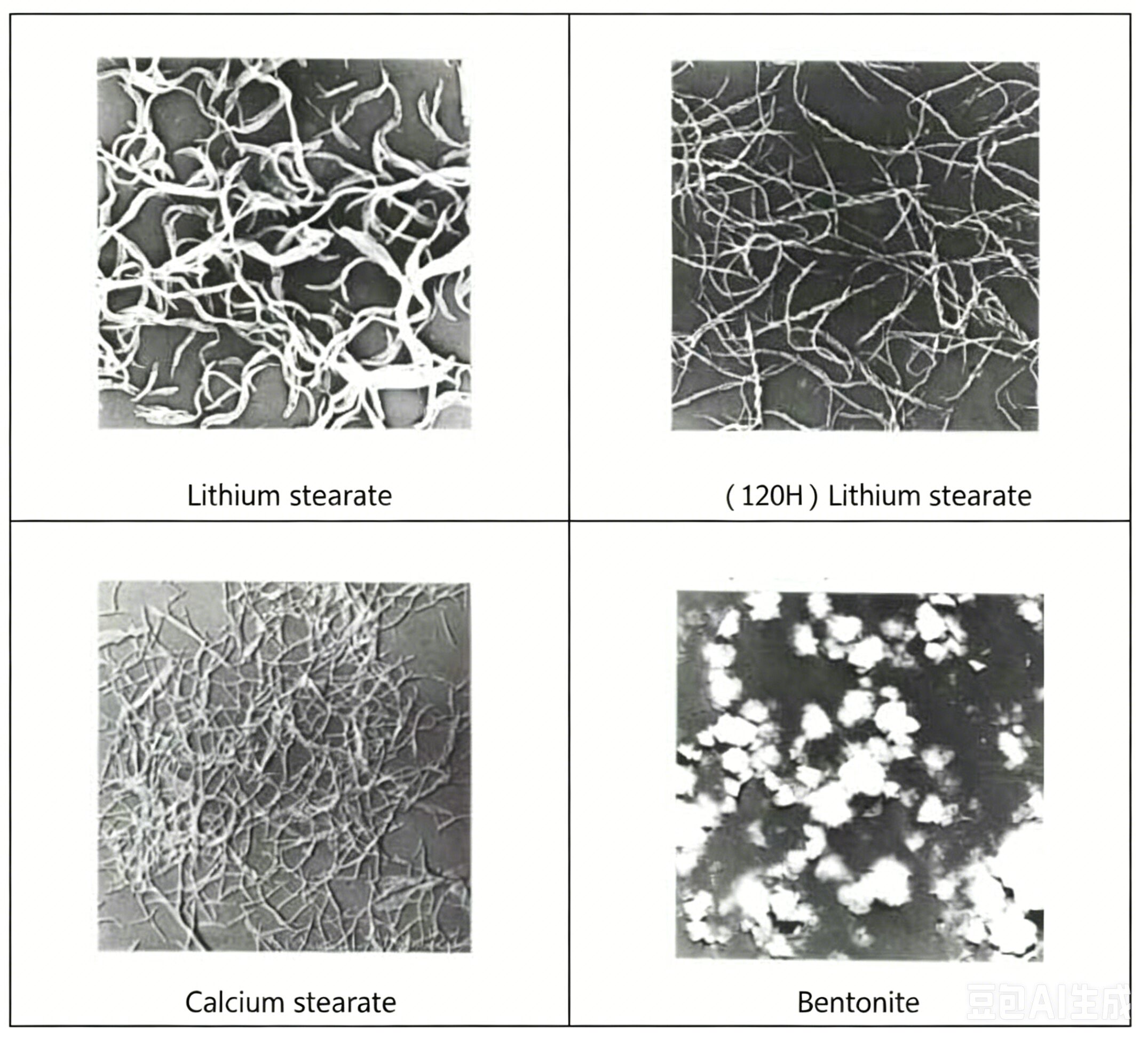
Generally, calcium soap grease is a product obtained by adding mineral oil, fatty acids, calcium hydroxide, and water, followed by saponification upon heating to adjust the moisture content. Greases using tallow-based fatty acids require some water as a structural stabilizer, but temperatures above 80°C will cause water separation, structural damage, and separation of the soap and base oil. Therefore, this type of grease, due to its lack of heat resistance, is suitable for lubricating general bearings at temperatures below approximately 70°C and with relatively low speeds and low loads. Conversely, due to its excellent water resistance, it is suitable for lubrication conditions involving water.
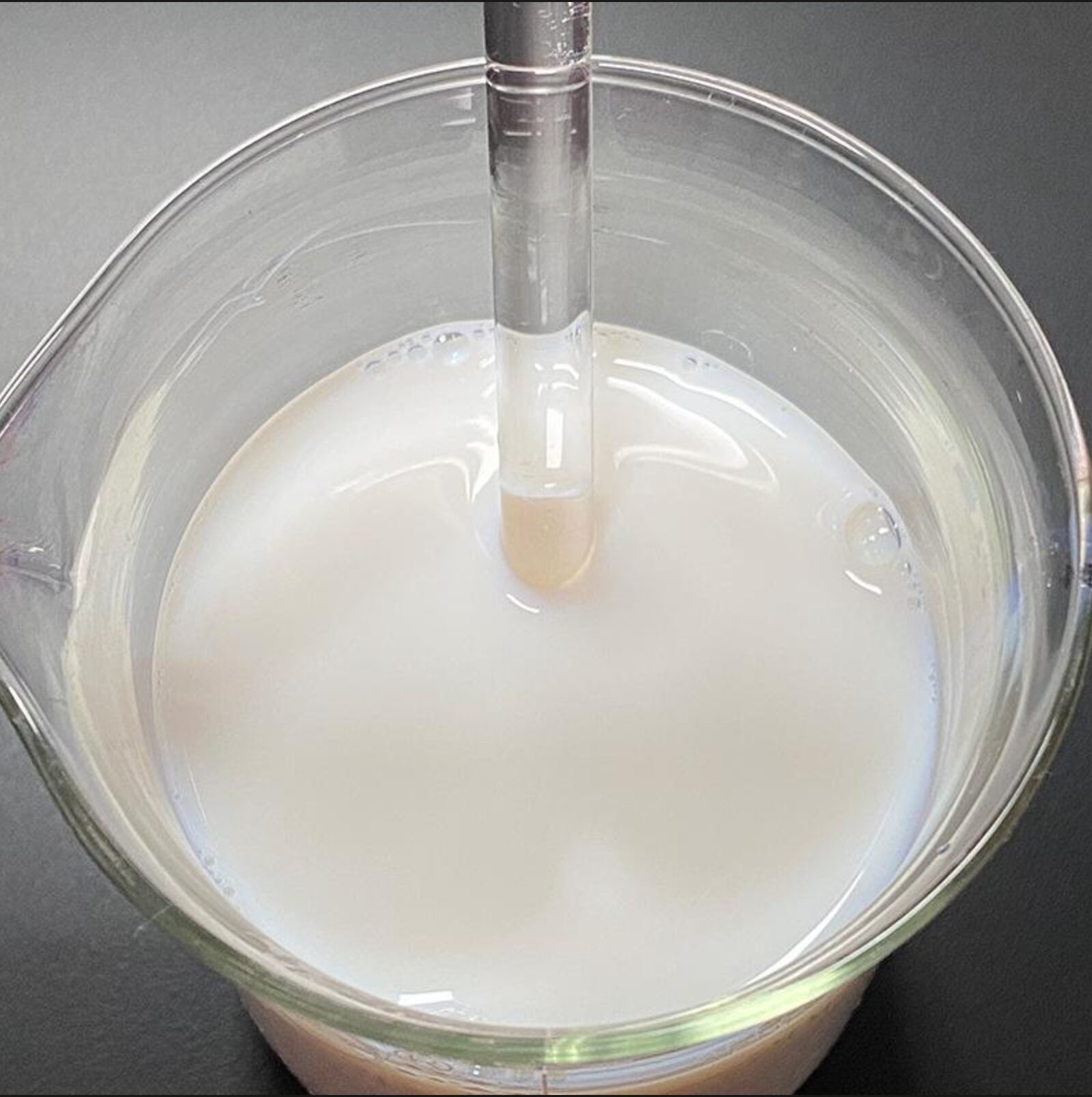
In addition to the above, there are other non-soap-based greases such as sodium phthalate, phthalocyanine bronze, polytetrafluoroethylene (PTFE), mica, and silicone gel.
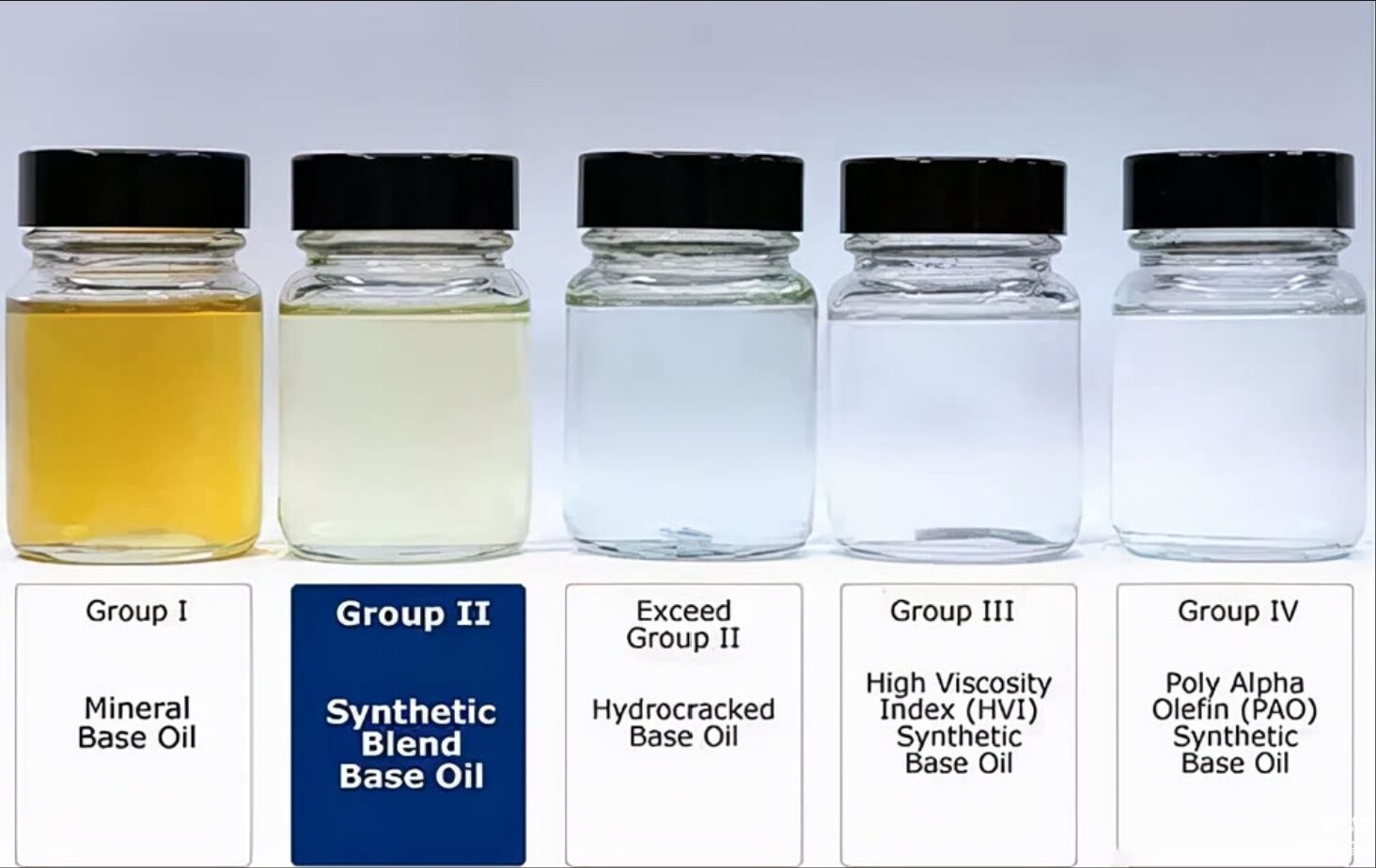
Currently, most greases are formulated using mineral oil-based lubricating oils as the base oil.
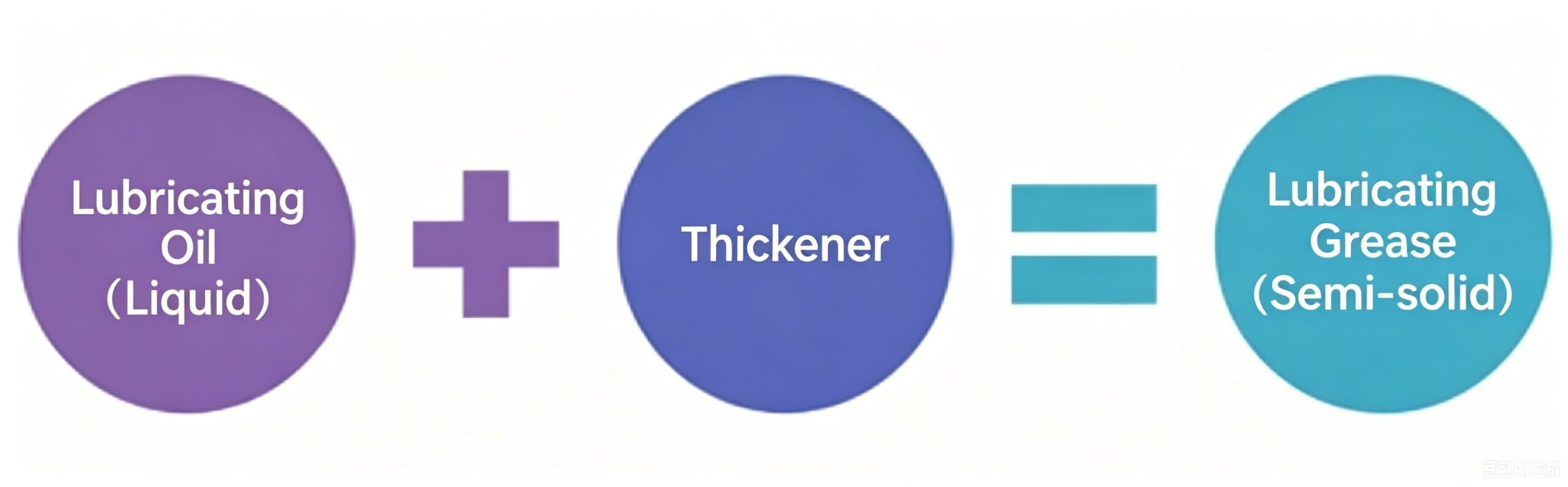
Grease is a semi-solid or solid substance formed by dispersing a thickener in lubricating oil.
.jpg)
Vnovo PASTE W2 is a no-drop-point high-temperature anti-seize paste designed to prevent thread seizure, galling, and difficult disassembly in severe industrial environments.
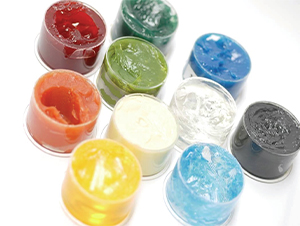
In addition to general physical and chemical properties, each type of lubricating grease should also possess specific physical and chemical properties that characterize its application.
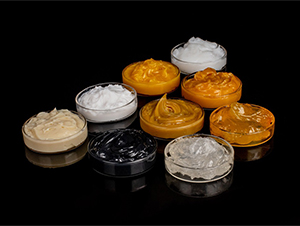
Tracing the history of lubricants back to 2400 BC, records exist of lubricants such as grease, oil, and water used to reduce friction.
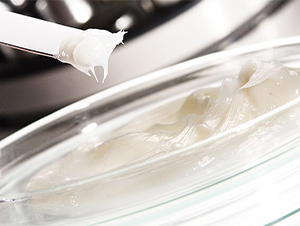
Lubricating Grease Introduction to general parameters and indicators.

24/7 Support Available
We Look Forward to Connecting.
Share your challenge or requirements below,
and our lubrication specialists will contact you with a tailored proposal.
Lubricant, for your whole life.
High-end lubrication product factory from China.