
Solutions for Electrical Motor Gears
The design objectives of motor and gear systems are to improve power transmission efficiency and minimize noise and heat generation, thereby achieving stable and long-lasting operation.
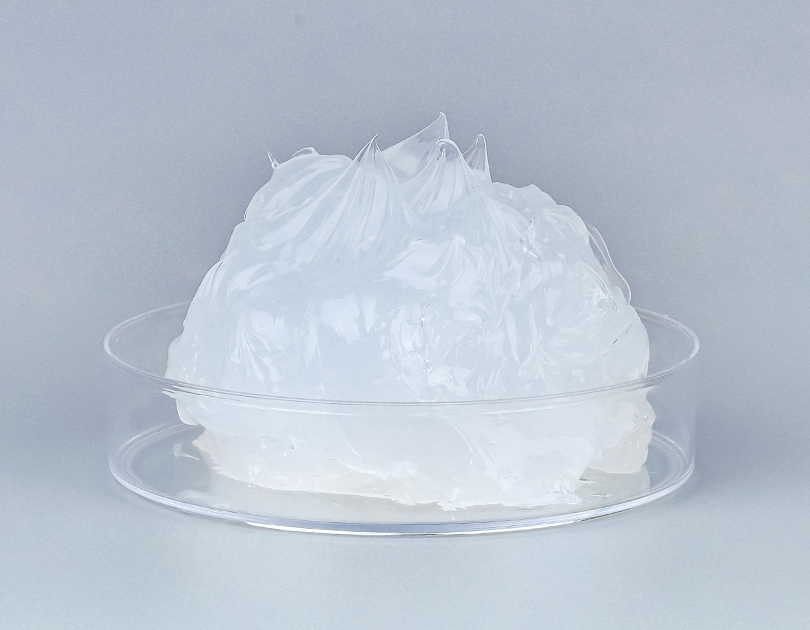
Modern gearboxes often utilize high-performance polymer plastic housings and gears for a lighter and more compact structure, while metal gears are more suitable for demanding conditions such as high temperatures and heavy loads. The correct selection of lubricants is crucial for motors, gears, and bearings. It not only effectively reduces friction and wear, and minimizes starting and operating torque, but also reduces noise, vibration, and operating temperature, extending the overall service life of the system.
The bearing industry has extremely high requirements for lubricant performance. Lubricants must continuously form a stable lubricating film under varying operating temperatures, speeds, and loads, and possess excellent oxidation resistance, thermal decomposition resistance, and evaporation resistance to provide long-term, reliable lubrication and protection for motor and gear systems.
Factors to Consider When Choosing Gear Oil or Grease
Contamination, oxidation, and incompatible substances can all cause lubricants to form sludge or varnish. Therefore, choosing a lubricant formulated for your specific operating conditions is crucial. The following factors should be considered when selecting a gear lubricant:
- Gear oil vs. gear grease
- Loading speed
- Material compatibility
- Thermal stability
- Operating environment
Motor Components
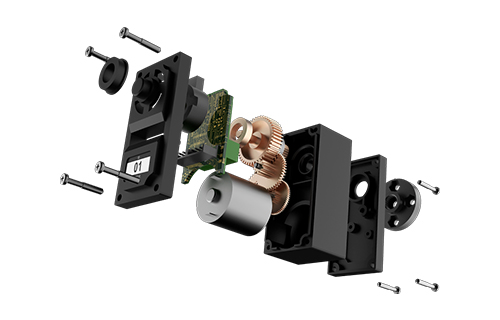
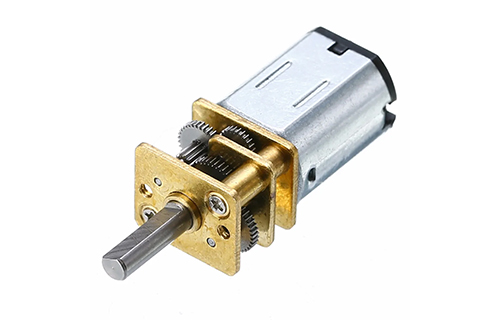
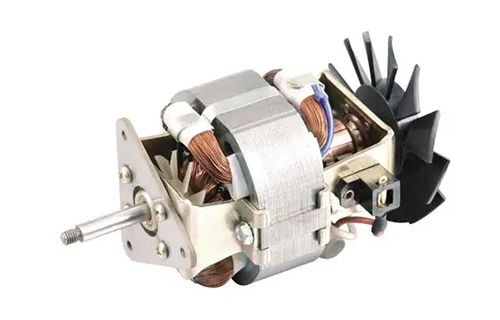
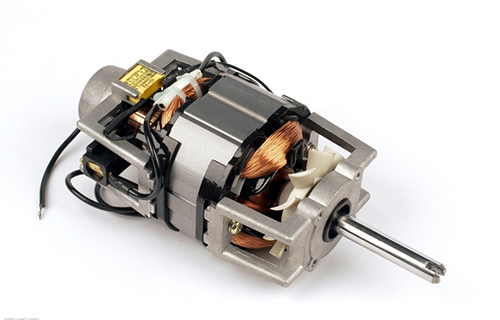
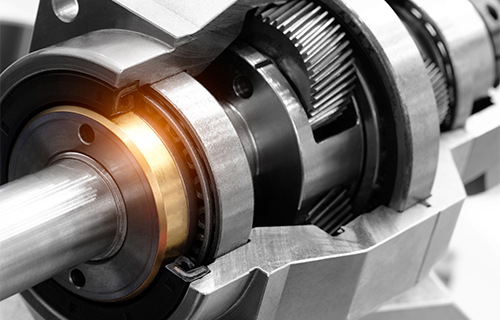
Micromotors require low torque, low noise, and long service life. Lubrication should suit bearings, shafts, and miniature gear structures, reducing friction loss during high-speed or variable-speed operation while helping lower current load and operating noise.
Gear Transmission Components
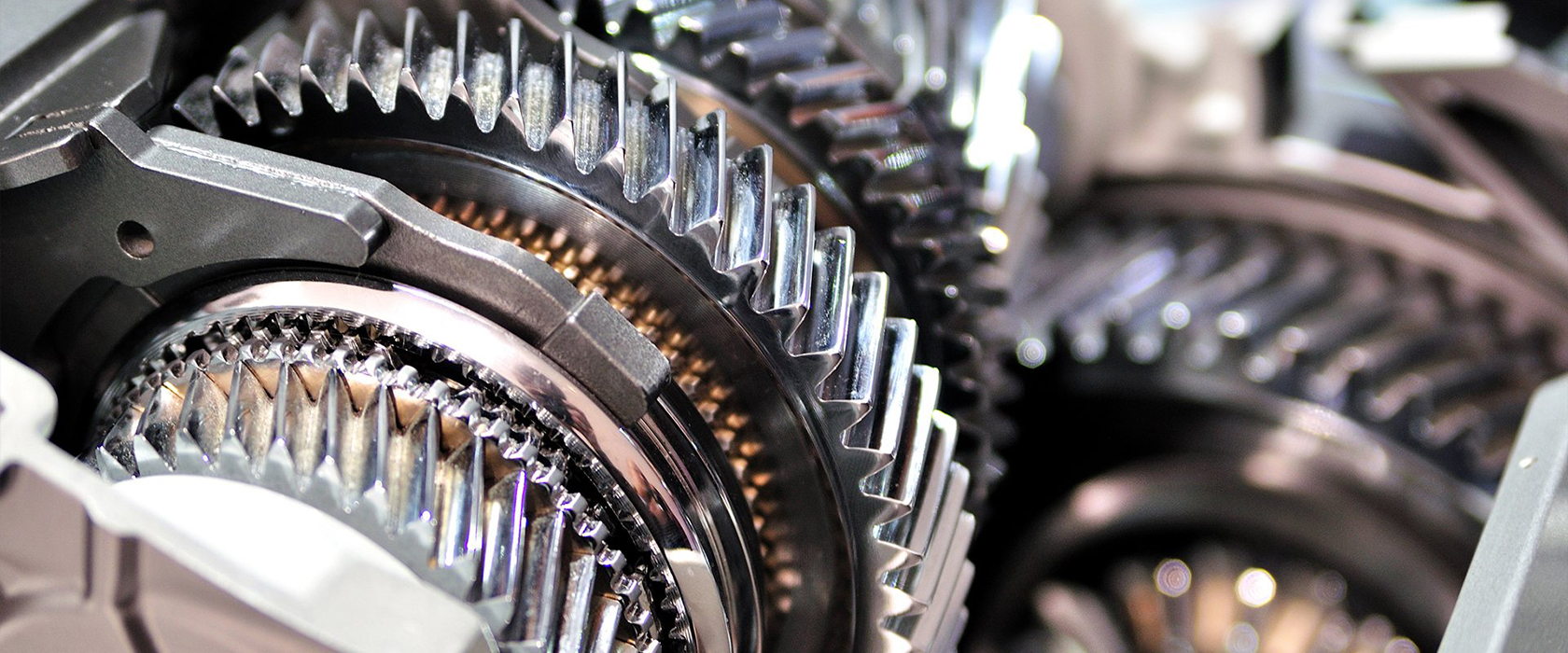
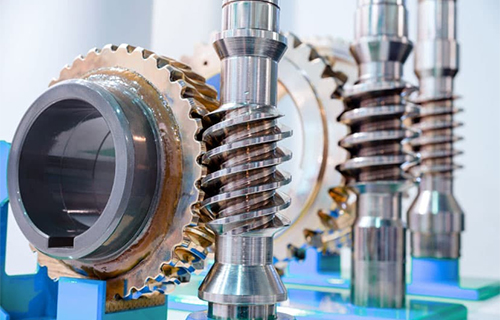
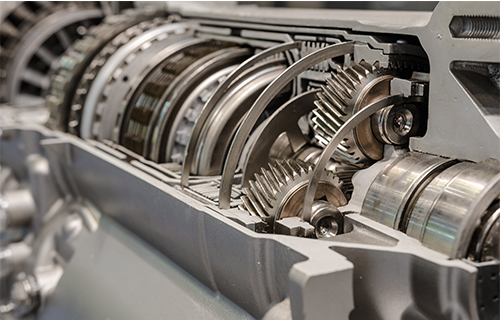
Gear transmission applications cover plastic gears, metal gears, planetary gears, and worm gear sets. Lubricant selection should be matched to material, speed, load, temperature, and noise requirements to reduce meshing wear, temperature rise, and transmission noise.
Actuator Components
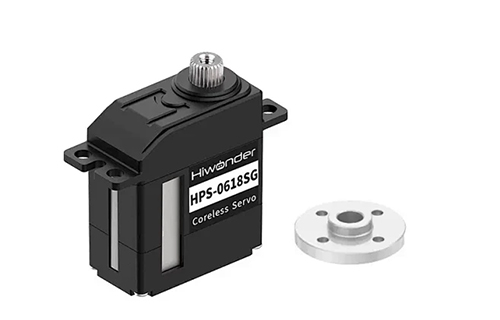
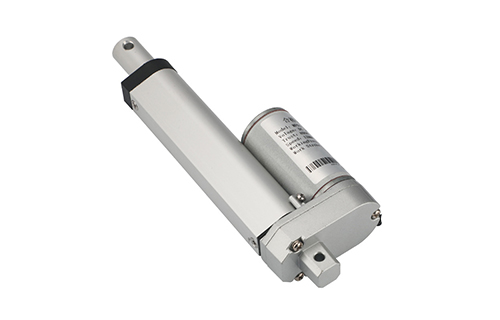
Servos and electric actuators often work through frequent start-stop cycles, positioning, and reciprocating motion. Lubrication should reduce starting resistance and motion wear, maintain smooth output, stable travel, and transmission efficiency, and limit sticking or noise over time.