
Rubber Compatible Grease
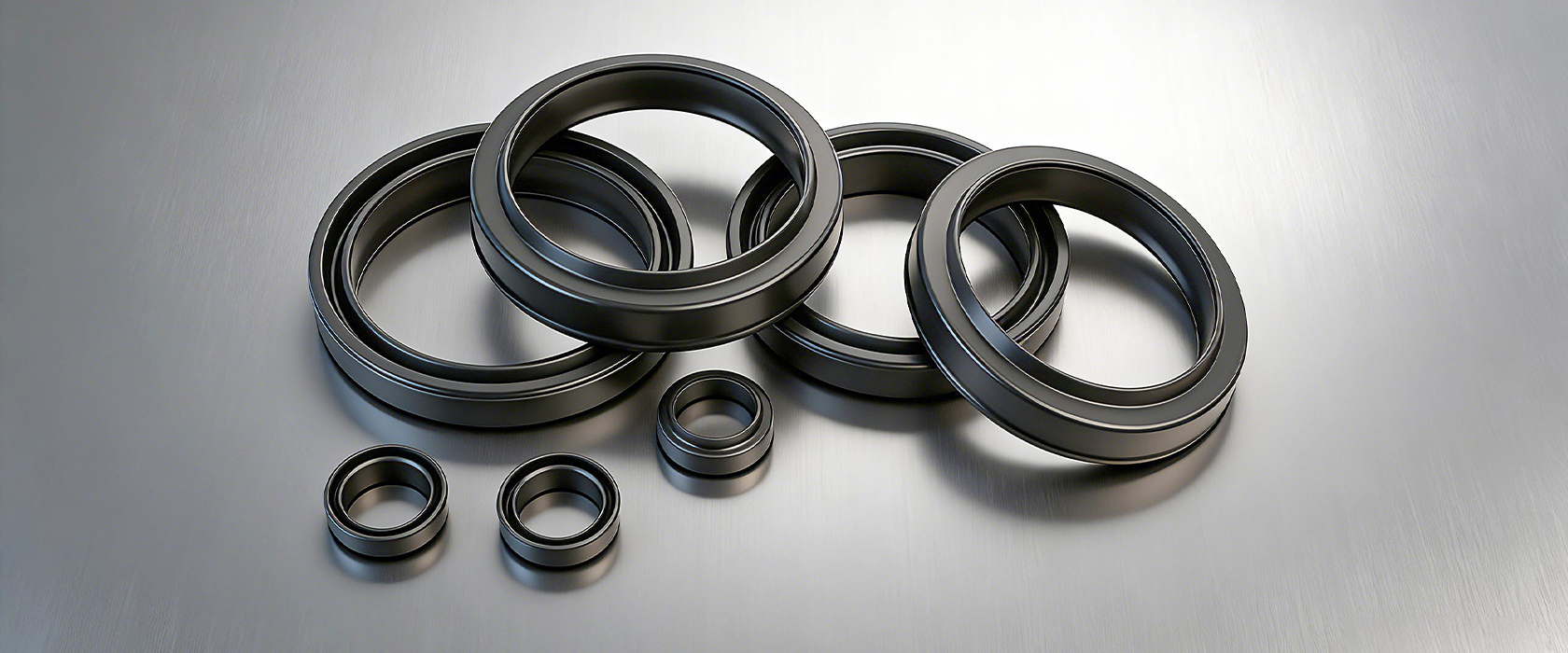
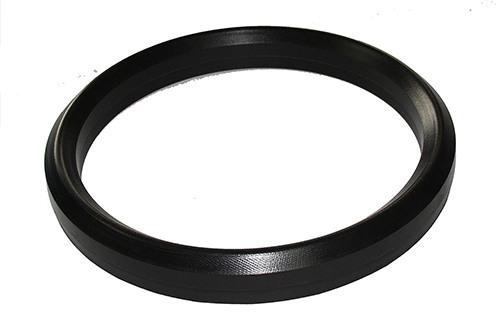
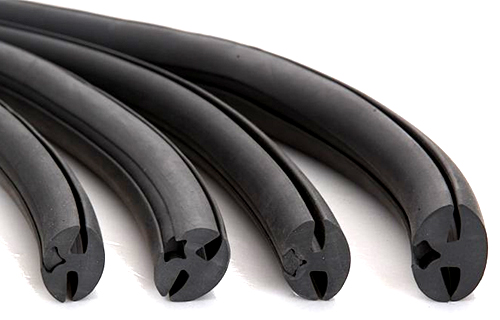
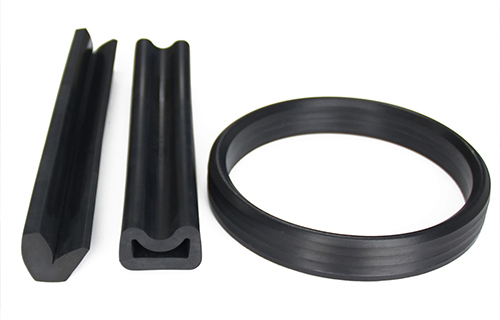
Rubber O-rings are widely used in various fields, such as the automotive, machinery, and electronics industries, where they serve as essential functional components for sealing and shock absorption. When selecting a lubricant for rubber O-rings, we need to consider several important factors:
- What are the interactions between rubber and grease?
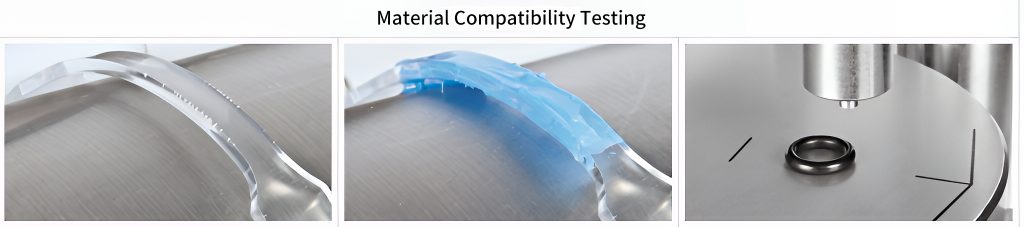
The interaction between rubber and grease can be broadly divided into chemical and physical interactions. Physical interactions primarily involve the mutual absorption of grease and rubber, which manifests as swelling or shrinkage. Chemical interactions refer to the reaction between chemical substances in the grease and rubber, fundamentally altering their physical properties and leading to sealing and lubrication failure. - The sealing function of rubber parts, according to working requirements, is divided into dynamic sealing (such as in cylinders and solenoid valves) and static sealing (such as oil seals and water seals).
a. Under dynamic sealing conditions, the maximum allowable swelling range of rubber is 15% to 25%. Exceeding this range will inevitably lead to part malfunction. If shrinkage occurs, a shrinkage of 3% to 4% is highly likely to cause sealing failure; it is best to limit it to below 1%.
b. Under static sealing conditions, the allowable range for swelling is more lenient, generally not exceeding 50% (depending on different structures, workpiece materials, and working media); shrinkage should be strictly controlled, similar to dynamic sealing.
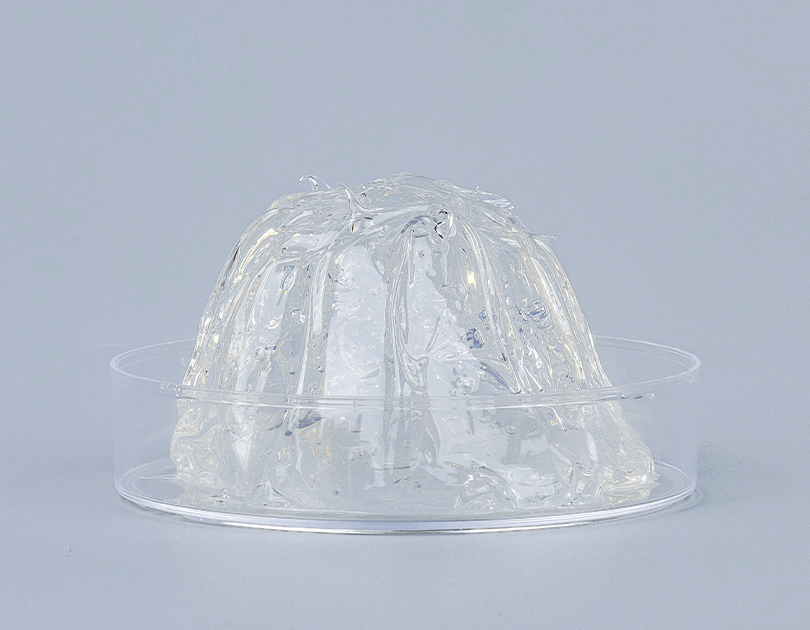
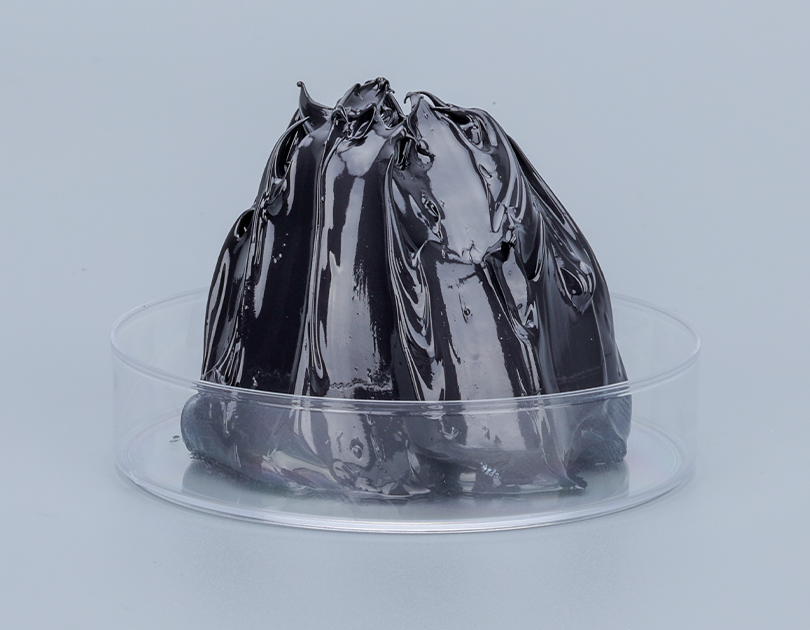
Silicone grease
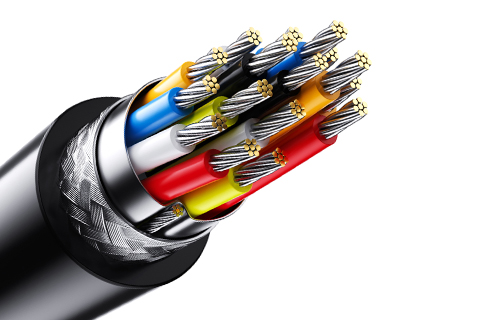
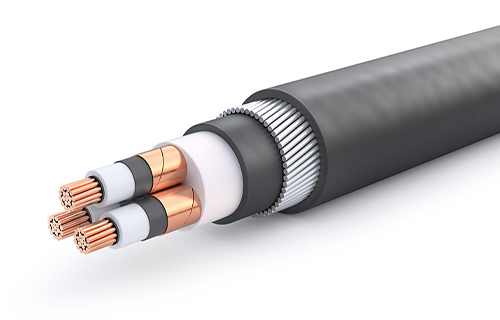
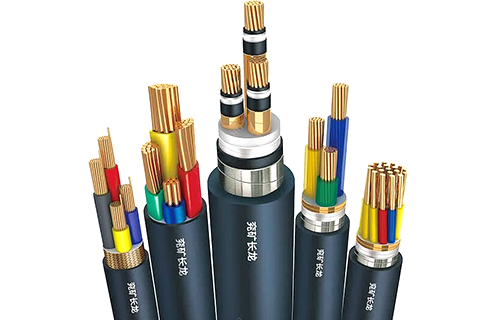
Suitable for lubrication and sealing of silicone and EPDM rubber, with excellent material compatibility. Suitable for cable accessories and dynamic sealing structures in sealing rings.
| Model | Appearance | Basic Oil | Solid Lubricant | Consistency Grade | (℃)Temperature Range |
| SG300 | light yellow ointment | mixed oil | Lithium complex soap | 1 | -30~130 |
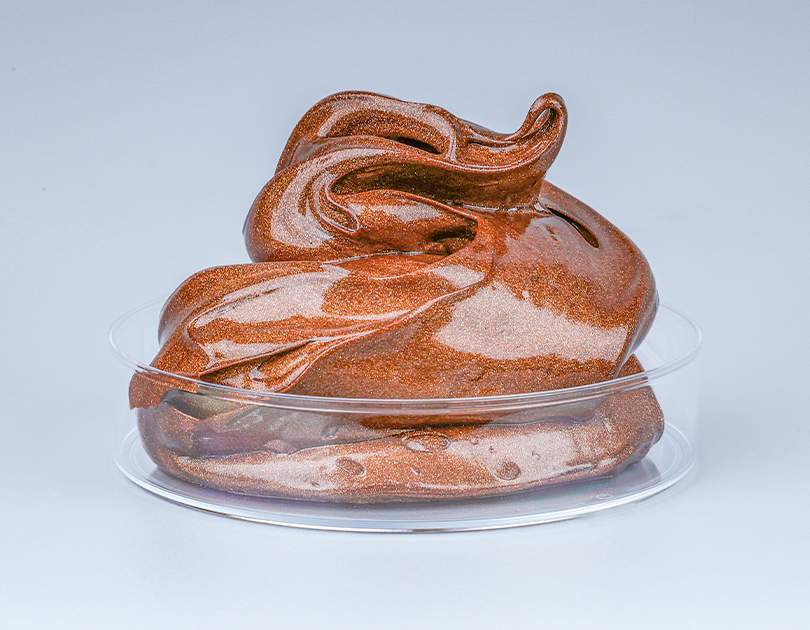
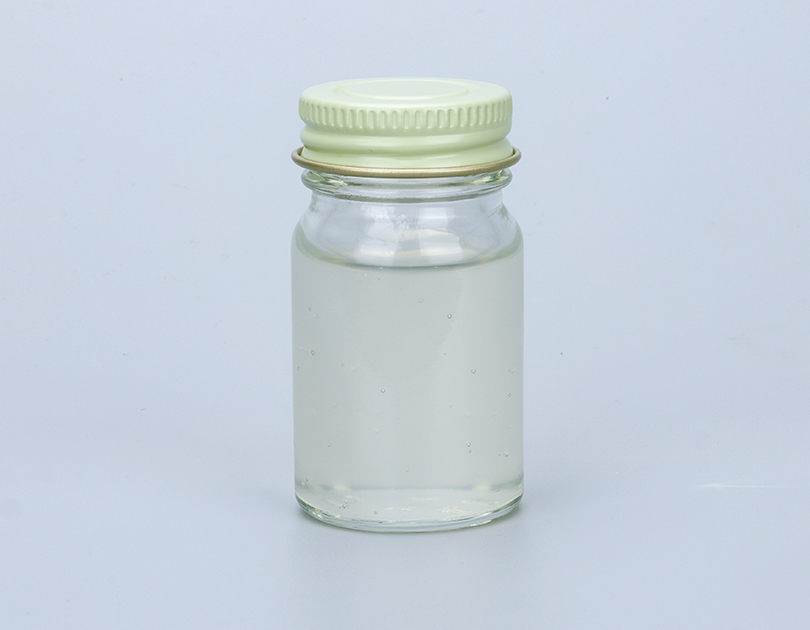
Nitrile rubber grease
Special blended base oil, non-corrosive to nitrile rubber, and resistant to swelling, shrinkage, and low temperatures.
| Model | Appearance | Basic Oil | Solid Lubricant | Consistency Grade | (℃)Temperature Range |
| SG305A | light yellow ointment | mixed oil | inorganic | 2 | -50~150 |
In lubricating greases, the base oil content is between 70% and 98%, therefore, when considering the compatibility of rubber with lubricating grease, the base oil is the most significant influencing factor. The compatibility of base oils with commonly used rubber materials is shown in the table below:
| Legend | |
| + +/- – | Resistant Partially resistant Not resistant |
| Elastomer Material | Mineral Oil | Synthetic Hydrocarbon | Ester Oil | Polyglycol | Silicone Oil | PFPE | Fluorosilicone |
| Nitrile Rubber (NBR) | + | +* | +/- | +/- | + | + | + |
| Hydrogenated Nitrile Rubber (HNBR) | + | + | +/- | +/- | + | + | + |
| Fluorocarbon Rubber (FPM/FKM) | + | + | + | + | + | + | + |
| Ethylene Propylene Diene Rubber (EPDM) | – | – | – | + | + | + | – |
| Polyacrylate Rubber (ACM) | + | + | +/- | +/- | + | + | + |
| Polyurethane (EU/AU) | + | +/- | +/- | +/- | + | + | +/- |