
Rubber Coating
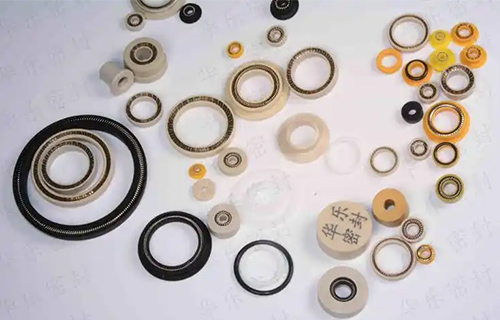
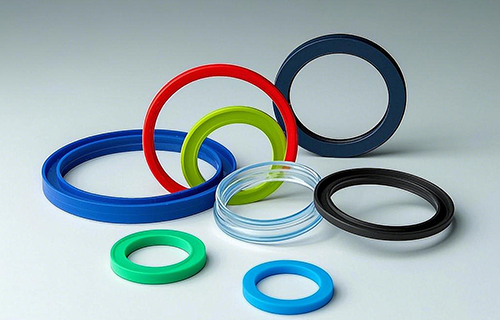
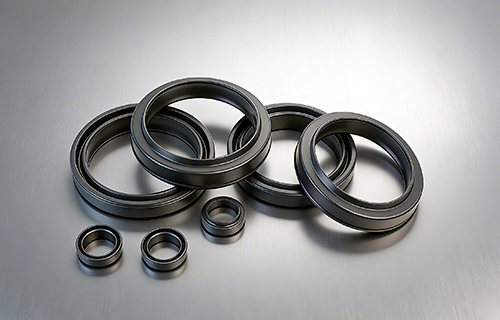
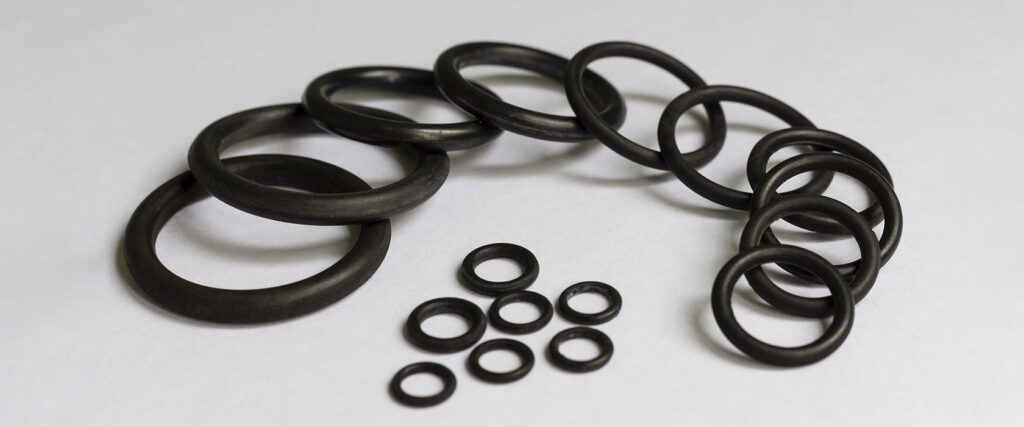
As a traditional rubber variety, natural rubber has good elasticity, high strength, and excellent wear resistance. Its tensile strength and elongation at break are very high. It can be used to produce rubber seals that operate in environments without oil or corrosive media at temperatures ranging from -20℃ to 100℃. The wear resistance directly affects the sealing effect and service life of the seal. So, how can we further improve the wear resistance of natural rubber seals in actual production? You might consider the following aspects.
Appropriately increasing rubber hardness
Theoretically, increasing the hardness of natural rubber can enhance its resistance to deformation, allowing the sealing ring to make uniform contact with the contact surface under stress, thus improving wear resistance. Generally, many natural rubber sealing ring manufacturers typically increase the hardness of the rubber compound by increasing the amount of sulfur or reinforcing agent 2LLYY0903-SJ. It should be noted that the hardness of natural rubber sealing rings should not be excessively high, otherwise the elasticity and cushioning effect of the sealing ring will be affected, ultimately leading to a decrease in wear resistance.
Adjusting Rubber Elasticity
To reduce the cost of rubber products, manufacturers of natural rubber products often add a large amount of rubber fillers. However, excessive use of fillers can lead to a decrease in the elasticity of the rubber compound. Therefore, it is necessary to control the amount of filler appropriately, improve the elasticity of the natural rubber, reduce the viscosity and hysteresis of the rubber compound, decrease the friction coefficient, and improve the wear resistance of natural rubber seals.
Adjusting the degree of vulcanization
Based on the vulcanization characteristics of natural rubber, rubber product manufacturers rationally adjust the vulcanization system and parameters of natural rubber sealing rings to improve the degree of vulcanization, ultimately achieving the goal of improving the wear resistance of the rubber sealing rings.
Improving the Tensile Strength of Rubber
When producing rubber seals using natural rubber, incorporating fine-particle rubber fillers into the formulation can increase intermolecular forces. By improving the tensile strength and modulus of the rubber compound, the wear resistance of natural rubber can be increased to a certain extent.
Reduce the surface friction coefficient of natural rubber sealing rings
| Model | Appearance | Features & Uses | Applications |
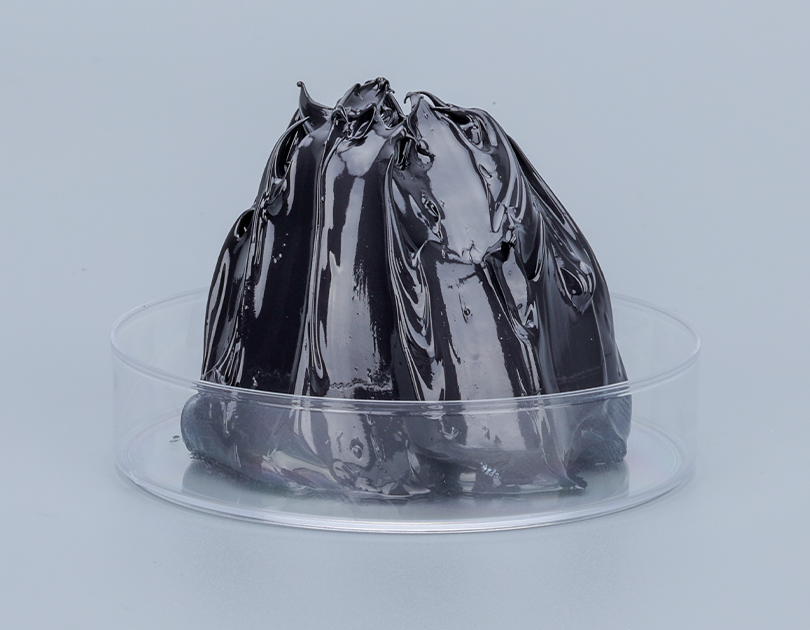
| VN-A6000 | Milky white liquid | Water-based PTFE lubricant coating for rubber and other soft substrates. Forms a durable lubricating film after heat curing. Provides good lubricity, wear resistance, oil resistance, and solvent resistance. Film strength improves when cured above 120°C. | Office equipment samples, conveyor belts, O-rings, stationery products, rubber sealing parts, EPDM sliding parts |