
Open gears in electric motor applications are often exposed to dust, debris, moisture and fluctuating operating conditions, which makes lubrication more challenging than in enclosed gear systems. External contamination can easily damage the lubricant film and increase abrasive wear on the gear surface. For this reason, choosing the right open gear grease is essential for protecting gears and extending service life.
In open gear drives, lubricants must remain on the tooth surface under exposed working conditions. Compared with ordinary lubricants, open gear grease should provide a balanced combination of adhesion and cohesion. Good adhesion helps the grease stay on the gear surface, while proper cohesion helps it form a stable lubricating film instead of separating or clumping. Only when these properties are well balanced can the grease effectively reduce wear and protect the gear teeth.
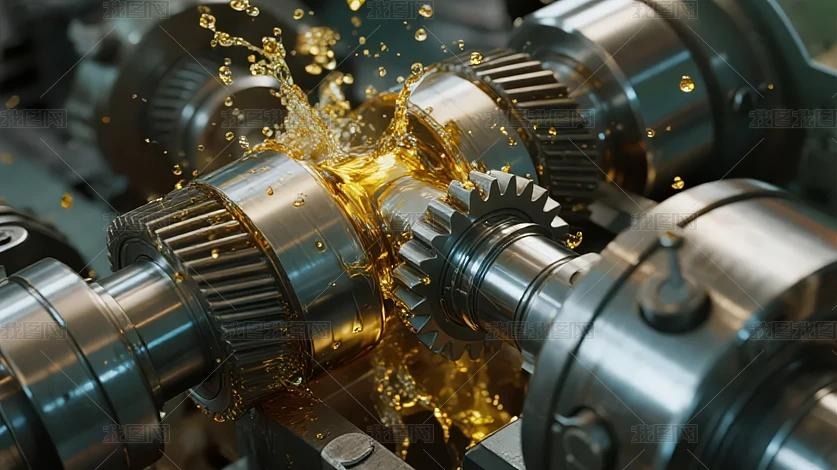
A suitable open gear grease should provide:
- Strong adhesion to gear surfaces
- Good cohesion and film stability
- Reliable anti-wear and extreme-pressure protection
- Good water resistance and rust prevention
- Stable consistency over a wide temperature range
- Effective lubrication under low-speed and heavy-load conditions
When selecting open gear grease, the following factors should be considered:
1. Temperature
Operating temperature has a direct effect on grease consistency and lubrication performance. Lower temperatures require better flowability, while higher temperatures require stronger viscosity retention and thermal stability.
2. Speed
Low-speed gears usually require grease with stronger film strength and load-carrying capacity. Under heavy load and impact load, the lubricant must remain stable and provide reliable protection.
3. Gear Type
Different gear types have different lubrication requirements. Spur, helical, herringbone and bevel gears can more easily maintain a lubricant film, while worm gears and hypoid gears involve more sliding contact and usually require grease with higher viscosity, better oiliness and stronger extreme-pressure performance.
4. Water Contamination
If water ingress is possible, the grease should have good water resistance and anti-rust properties. In applications where maintenance intervals are long or grease replacement is inconvenient, higher-performance synthetic grease may help extend lubrication life.
5. Load
Mechanical load and shock load should always be considered. Open gear grease for heavy-load applications should provide reliable anti-wear and extreme-pressure protection to reduce metal-to-metal contact.
With proper grease selection, open gear systems can achieve better wear protection, more stable lubrication and longer operating life, even under exposed and contaminated conditions.
VNOVO provides specialty grease solutions for demanding gear lubrication applications, including open gear systems requiring strong adhesion, anti-wear protection and reliable performance under heavy load.