
In food processing equipment, sealing reliability often depends on one small part: the O-ring.
A valve body may be stainless steel, the line may be clean, and the process may be tightly controlled, but if the O-ring is installed dry or left unprotected during service, sealing performance can drop quickly.
That is why food grade silicone grease matters. In valve O-ring applications, the lubricant is not only there to reduce friction. It also helps protect the seal, improve assembly, and maintain stable sealing in a clean environment.
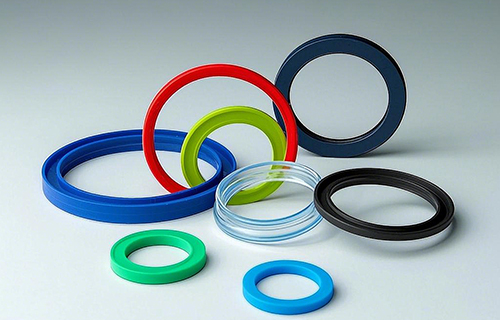
Why valve O-rings need a dedicated lubricant
O-rings in food valves usually work under static sealing or slow movement rather than continuous high-speed motion.
Even so, they still face repeated compression, opening and closing cycles, washdown, moisture, and temperature variation. A dry O-ring can twist, pinch, or tear during installation. It may also create higher breakaway force when the valve is first operated.
Over time, poor lubrication can lead to sticking, uneven sealing pressure, and premature wear.
For this reason, silicone grease is commonly used on valve O-rings where the main requirement is clean sealing lubrication rather than heavy-load metal contact protection.
Why food grade silicone grease is the better fit
In food machinery, the question is not only whether the lubricant works mechanically.
It must also be suitable for environments where incidental food contact may be possible. That is why food grade silicone grease is a better fit for many food processing valve seals.
For valve O-rings, it offers several practical benefits:
- easier assembly with less risk of twisting or cutting the seal
- smoother opening and closing feel
- better moisture resistance around the sealing point
- more stable long-term sealing performance during washdown and cleaning cycles
In simple terms, the grease supports both the sealing result and the maintenance process.
Why 5g tube packaging makes sense
For food processing valve O-rings, the required grease amount is small.
In most cases, only a thin film is needed. Large containers are not ideal for this type of task because they are harder to keep clean and make over-application more likely.
A 5g soft tube is more practical because it supports clean, controlled application. It is small enough for maintenance kits, easy to carry during line service, and better suited to low-dose lubrication than jars or bulk containers.
This format is especially useful for:
- maintenance kits
- OEM service packs
- sanitary valve servicing
- beverage line sealing points
- after-sales repair sets
- small-batch private label packaging
One lubrication point, one clear purpose
This solution page focuses on one specific lubrication point:
food processing valve O-rings.
It is not about all food machinery lubrication points. It is about one sealing location where silicone grease can make a clear difference.
Typical examples include:
- shut-off valve O-rings
- filling valve sealing rings
- sanitary connector O-rings
- quick-connect seals in beverage systems
- maintenance lubrication for food-grade sealing points
In these applications, the goal is simple: apply a small amount of grease exactly where it is needed, protect the O-ring during assembly and service, and avoid unnecessary mess.
How to use it correctly
For valve O-rings, more grease does not mean better sealing.
A thin, even film is usually enough. Too much grease can collect dirt, spread outside the sealing zone, or make the service process less clean.
A 5g tube makes the application easier because technicians can apply grease directly to the O-ring surface without dipping tools into a larger container. That improves dosage control and supports cleaner maintenance routines.
Why this solution works for food processing equipment
Food processing environments place extra demands on lubricants.
The grease must help the O-ring move and seal smoothly, while also fitting a clean and controlled maintenance process. That is why the combination of food grade silicone grease and 5g tube packaging is practical.
The grease supports sealing performance.
The small tube supports accurate use.
For valve O-rings, this is often the most efficient combination.
Final takeaway
If the lubrication point is a food processing valve O-ring, the solution should stay focused.
A food grade silicone grease is a practical choice where sealing protection, smoother assembly, and clean operation matter. A 5g soft tube makes that grease easier to apply in a precise, low-dose, maintenance-friendly way.
For food equipment maintenance, this is not a complicated solution. It is simply the right product format for the right sealing point.
FAQ
What is food grade silicone grease used for in food processing equipment?
It is commonly used for sealing and lubricating parts such as valve O-rings, connector seals, and other rubber sealing points where clean lubrication is required.
Why is silicone grease suitable for valve O-rings?
It helps reduce friction during assembly, protects the O-ring surface, improves sealing smoothness, and supports long-term sealing stability.
Why use a 5g tube instead of a large container?
A 5g tube is easier to keep clean, easier to carry, and better for precise low-dose application. It also helps reduce waste and over-application.
Can too much grease cause problems?
Yes. Excess grease may spread beyond the sealing point, collect dirt, or make assembly messier. A thin film is usually enough.
What application does this solution focus on?
This solution specifically focuses on food processing valve O-rings.