

By VNOVO Technical Support Team
Electrical connections – automotive connectors, terminal blocks, spark plug boots, battery terminals, switchgear, and cable glands – must maintain reliable continuity while resisting moisture, corrosion, and contamination. Dielectric grease does not conduct electricity; instead, it insulates, seals, and protects. It fills air gaps to prevent moisture ingress, reduces mating forces, and suppresses fretting wear from vibration. Confusing dielectric with conductive grease is a dangerous error that can cause short circuits.
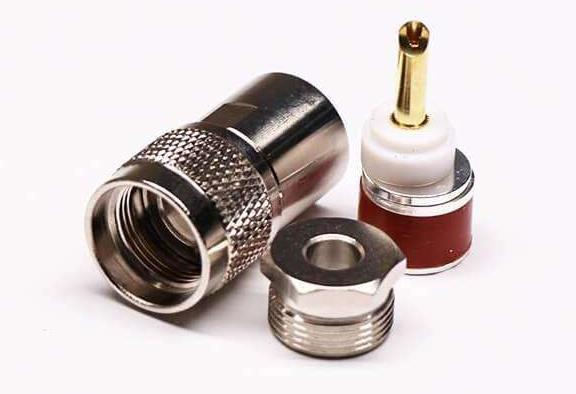
What Makes Electrical Connection Devices Demanding for Dielectric Silicone Grease?
– Moisture and corrosion. Automotive, marine, and outdoor connectors face rain, humidity, and road salt. Corrosion on terminals increases contact resistance, causing voltage drop and eventual failure.
– Fretting wear from vibration. Small oscillatory movements between terminals wear through plating. The resulting oxide layers increase resistance and cause intermittent signal failures.
– High mating forces. Multi-pin connectors require significant force. Without lubrication, terminals can be damaged or incompletely seated.
– Environmental sealing. Many connectors rely on grease to fill gaps between body and cable, providing a secondary seal against water and dust.
– Dielectric insulation requirement. The grease must not create conductive paths between adjacent terminals. High dielectric breakdown voltage is essential for HV connections.
– Wide temperature range. Underhood connectors reach 135 °C; outdoor connections face -40 °C. The grease must remain stable without flowing away or stiffening excessively.
– Material compatibility. Connectors use PBT, POM, nylon housings; silicone, EPDM seals; tin, gold, silver platings. The grease must not degrade any of these.
– Long service life. Most connections are assembled once and never re-lubricated.
Why Do Electrical Connection Problems Persist Even When Dielectric Grease Is Applied?
1. Using conductive grease where dielectric is required. Conductive greases (carbon black, metal particles) create short circuits between adjacent pins – dangerous in multi-pin connectors.
2. Grease on contact surfaces blocking conduction. Dielectric grease must seal interfaces and terminal bodies, not be applied between mating contact surfaces where it would insulate the electrical path.
3. Insufficient moisture protection. Greases with low water resistance fail in marine or salt environments, allowing corrosion.
4. Grease migrating from the connection. Low-tack greases flow away from vertical connections or at elevated temperatures.
5. Incompatibility with connector plastics. Some greases soften or stress-crack PBT or nylon housings.
6. Fretting corrosion not addressed. General-purpose greases without anti-fretting capability allow vibration-induced wear to cause intermittent failures.
What Properties Determine Whether a Dielectric Grease Will Perform in Electrical Connections?
Key properties:
– Dielectric breakdown voltage. Must be high enough to prevent arcing between adjacent terminals. NyoGel 760G, a widely specified connector grease, demonstrates 11.2 kV.
– Water and salt spray resistance. Low water washout (e.g., 2% per ASTM D1264) and 750+ hour salt spray resistance (ASTM B117) indicate reliable field performance.
– Fretting wear protection. Connector-specific greases (e.g., NyoGel 760G) show dramatically longer fretting cycle life versus unlubricated contacts.
– Copper corrosion protection. Rated per ASTM D4048 on a 12-point scale. Effective dielectric greases achieve 1a (“slightly tarnished”) ratings.
– Base oil and thickener. PAO with silica thickener: non-melting, hydrophobic, excellent heat resistance, dielectric. Silicone with silica: good dielectric, broader elastomer compatibility, higher temperature.
– Temperature range. PAO/silica connector greases: -40 to 135 °C. Silicone dielectric compounds: wider range.
– Material compatibility. Must be verified against connector plastics, seal elastomers, and contact platings. PAO/silica is generally compatible.
– Mating force reduction. Should reduce insertion/extraction forces to protect terminals.
How to Select the Right Dielectric Grease for Electrical Connection Devices
Step 1 – Identify connection type and conditions:
| Connection Type | Typical Conditions | Key Requirement |
| Automotive connectors | Vibration, salt, -40 to 135 °C | Fretting protection, salt spray, dielectric |
| Spark plug boots / HV | High voltage, high temperature | Dielectric strength, thermal stability |
| Battery terminals | Corrosion, acid exposure | Corrosion protection, moisture seal |
| Industrial terminal blocks | Indoor, moderate | Moisture protection, dielectric insulation |
| Marine connectors | Salt water, continuous moisture | Salt spray resistance, water seal |
| Cable glands | Environmental sealing | Water resistance, gap filling, dielectric |
Step 2 – Match formulation: Automotive/general → PAO/silica connector grease. HV/high-temp → silicone dielectric compound. Marine → high-tack, salt-spray-rated. Battery → corrosion-inhibited.
Step 3 – Verify: Confirm dielectric breakdown voltage. Confirm material compatibility. Apply to seal areas, not between contact surfaces.
Quick Reference: Selection Guide
| Connection / Condition | Key Properties | Direction |
| Automotive / general connectors | Dielectric, fretting, salt spray | PAO/silica connector grease (760G type) |
| Spark plug boots / HV | High dielectric, high temp | Silicone dielectric compound |
| Battery terminals | Corrosion protection, seal | Corrosion-inhibited dielectric grease |
| Marine / salt environment | Salt spray, water seal | High-tack, salt-spray-rated dielectric |
| Indoor terminal blocks | Moisture, dielectric | General dielectric silicone grease |
| Cable glands / sealing | Water resistance, gap filling | Waterproof dielectric silicone grease |
How VNOVO Provides Technical Support
VNOVO does not supply off-the-shelf “dielectric grease” with universal claims:
Application-Oriented Selection Guidance – VNOVO reviews your connection type, voltage level, environmental exposure, temperature range, and material composition, recommending base oil type, thickener, dielectric rating, and application method.
Material Compatibility Verification – VNOVO helps assess candidates against connector plastics (PBT, POM, nylon), seal elastomers, and contact platings (tin, gold) – with emphasis on preventing plastic degradation and maintaining plating integrity.
Scenario-Based Communication Support – VNOVO provides rationales explaining *why* a direction is suggested, what trade-offs exist (PAO/silica = excellent fretting protection and OEM spec history vs. silicone = higher temperature and broader elastomer compatibility but different fretting behavior; dielectric = insulates and seals vs. conductive = enables static discharge but short-circuit risk in multi-pin connectors; thick film = better seal vs. thin film = lower mating force), and what validation steps to prioritize.
Conclusion
When to use specialized dielectric silicone grease in electrical connections
When the connection is exposed to moisture or corrosive environments requiring a protective seal, when fretting from vibration must be suppressed, when high dielectric breakdown voltage is required, or when OEM specifications mandate a specific connector grease.
When a general-purpose approach may suffice
When the connection is in a controlled indoor environment with no moisture exposure, voltage is low with generous pin spacing, no fretting risk exists, and no OEM specification mandates dielectric grease.
What VNOVO can support
1. Selection guidance – translating connection type, voltage, environment, and materials into base oil type, dielectric rating, and application method
2. Material matching – assessing compatibility between candidates and connector plastics, elastomers, and platings
3. Scenario communication – providing the technical rationale and decision framework to specify, validate, and apply the right dielectric grease for your electrical connections
*This article is provided for informational purposes based on industry references and electrical connector engineering principles. Specific product selection should always be verified against equipment manufacturer specifications, OEM recommendations, lubricant supplier data, and application testing.*