
The question I hear most from maintenance engineers is: can a tooth-broken reducer be repaired?
The short answer: technically yes, economically no.
Why Repair Is Rarely Worth It
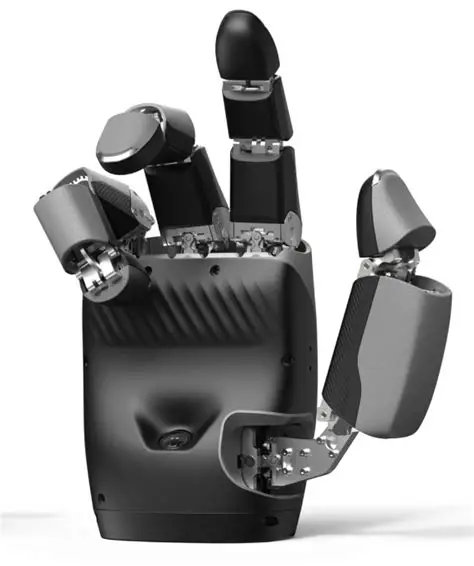
Micro planetary reducers in dexterous hands are not field-repaired. The repair process requires:
- 1. Complete disassembly of the finger joint
- 2. Reducer removal and replacement
- 3. Re-calibration of fingertip precision
- 4. Full system re-verification
For a single finger joint, this can take 4–8 hours of labor. For a complete dexterous hand with 5 fingers, you are looking at a full-day repair. At typical engineering labor rates, that is $800–$2,000 in labor alone — plus parts cost, downtime, and re-testing.
Compare this to prevention: a quality grease that adds $50–$100 to reducer cost can extend service life from 2,000 hours to 8,000+ hours. The math is straightforward.
The Hidden Cost Nobody Talks About: User Trust
In home scenario applications, a robot that develops a “squeaky” or “broken” dexterous hand within months of purchase creates impressions that are hard to overcome. Users talk. Reviews matter. A single viral complaint about “robot hand broke after two weeks” can offset months of positive marketing.
This is why some forward-thinking manufacturers are starting to treat lubricant selection as a brand protection decision, not just a component decision.
Total Cost of Ownership: Grease Is a Small Number That Drives a Big Number
Here is the framework I recommend to every manufacturer considering grease costs:
Grease cost per robot: $50–$200 depending on quality and quantity
Reducer replacement cost per incident: $500–$2,000 (parts + labor + downtime)
Service visit cost: $200–$1,000 per trip
Brand/reputation cost: Unquantifiable but real
Calculation: If a robot has 20 reducers and typical failure rate is 5% per year, that is one failure per robot per year on average. At $1,000 per incident, the annual cost is $1,000 per robot. A grease that costs an extra $100 per robot but reduces failure rate by 50% saves $400 per robot per year — before counting reputation costs.
The conclusion: expensive grease is cheap. Cheap grease is expensive.
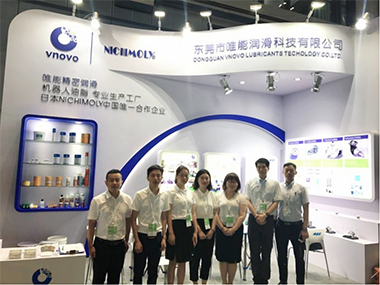
What VNOVO Can Do for You
VNOVO’s technical team provides:
- **Lubricant selection consultation** based on your specific reducer specifications and operating conditions
- **Lubrication scheme design** for optimal grease application quantities and change intervals
- **Failure analysis** for field returns to identify lubrication-related root causes
- **Custom formulation** for unique requirements not met by standard products
For humanoid robot manufacturers serious about quality and total cost of ownership, VNOVO offers a partnership approach — not just a grease supplier relationship, but a technical collaboration to optimize the entire lubrication system.
The conversation about lubricant cost versus reducer failure cost is one every manufacturer needs to have. Which side of the math is your company on today? Share in the comments.