

The door hinges and latches of an in-vehicle refrigerator (especially console refrigerators or trunk-mounted refrigerators) feel smooth and the latch engages clearly at room temperature. However, during durability tests in low-temperature environments (-20°C or even -30°C) or during winter road tests, the following issues frequently occur:
Door hinge emits “creak” noise and feels sticky or cannot be opened when the refrigerator door is being opened;
The latch unlocking resistance is high; after pressing the button, the latch tongue does not spring back;
The seal strip adheres to the door frame, producing a tearing sound when opening.
These problems are directly related to the low-temperature performance of the lubricating grease. The inside of the refrigerator can be as low as -18°C, and when lubricating grease has excessively high viscosity at low temperature, base oil separation, or thickener hardening, the moving components fail.
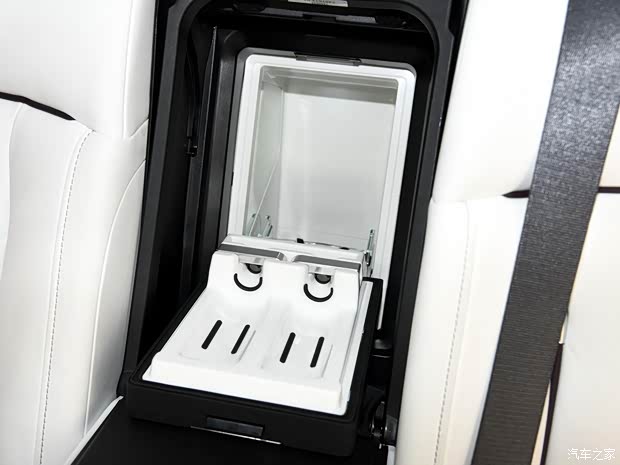
Failure Mechanism Analysis
The hinges of in-vehicle refrigerator doors are mostly metal pin and plastic/metal bushing pairs; the latches are plastic or metal hooks combined with springs. At low temperature, the viscosity of conventional lubricating grease (such as lithium grease or ordinary silicone grease) increases sharply—products with poor viscosity index may have base oil in a semi-solid state at -20°C, causing a dramatic increase in hinge rotation resistance.
Meanwhile, the thickener in the lubricating grease becomes brittle at low temperature, losing its lubricating function, and the metal surface experiences direct dry friction, producing a “creak” sound.
The latch problem is more complex: when the lubricating grease around the spring freezes, the spring force cannot overcome the internal friction force of the grease, and the latch tongue is “stuck” at the unlatching or locking position, causing unlatching seizure or failure to close the door.
Additionally, the frequent alternation between low temperature inside the refrigerator and room temperature outside (for example, when the vehicle enters or exits a garage) causes the lubricating grease to expand and contract thermally, producing microcracks, accelerating evaporation and oxidation.
Key Parameters of Low-Temperature Lubricating Grease for In-Vehicle Refrigerators
Base oil selection: PAO (polyalphaolefin) or ester-based synthetic oil with a low pour point (below -40°C) and a high Viscosity Index (VI above 130) should be selected. Its viscosity at -20°C should still maintain enough fluidity to reach the friction zone.
Thickener: urea-based or PTFE-based thickeners are preferred, as they maintain flexibility at low temperatures and do not harden like lithium-based thickeners.
Additive system: must include anti-oxidants and corrosion inhibitors; optional EP additives if metal friction pairs are present.
Anti-Adhesion Design for Seal Strips
The adhesion between the refrigerator door seal strip and the door frame at low temperature is a special problem. When the temperature drops, the EPDM rubber seal strip contracts, and if the润滑脂 residue exists between them, it can become a bridge causing adhesion.
Recommended solution: apply a very small amount of low-viscosity silicone oil or a specialized seal lubricating grease on the seal strip. The amount must be strictly controlled—too much will cause adhesion, too little will not solve the adhesion problem.
Low-Temperature Durability Test Recommendations
For in-vehicle refrigerator doors, it is recommended to include the following test conditions in the durability test plan:
-30°C constant temperature test: 5,000 cycles open/close, to verify low-temperature lubrication performance;
Thermal cycling test: -30°C to +85°C, 1,000 cycles, to verify performance under temperature shock;
Salt spray test: for refrigerator doors used in cold regions where roads are salted in winter.
Have you encountered low-temperature failures in in-vehicle refrigerator doors? Share your experience in the comments. DM me to get the “In-Vehicle Refrigerator Door Hinge and Latch Lubrication Solution + Low-Temperature Grease Selection Data Package + Cold Region Durability Test Standard”—I have compiled them; just say if you need it.