
Optical grease directly impacts the operational performance and effectiveness of optical instruments.
Grease designed for optical instruments serves a variety of functions, including lubrication, damping, protection, gap filling, and sealing. Due to its unique properties, low production volume, and specialized scope of application, its manufacture and usage are confined to a very limited niche. The damping function is of particular importance within optical instruments; it not only helps maintain the instrument’s operational stability during use but also provides the user with a highly satisfying tactile experience.
Since optical grease directly influences an instrument’s performance and results—and because the damping and lubrication requirements vary significantly across the different moving or friction-bearing components of an optical instrument—the specific demands placed on the optical grease for each individual lubrication point also differ. Consequently, this places high demands on the variety, specialization, and cost-effectiveness of the required greases.
In camera lenses, the tactile feel of the focusing mechanism is primarily derived from the damping properties of the focus threads. Lubrication of these threads requires careful consideration of factors such as volatility, corrosiveness, high-temperature resistance, low-temperature resistance, and precise damping calibration.
Specific characteristics of the grease used inside camera lenses:
- Temperature Characteristics: The grease must neither solidify nor flow within a temperature range of -40°C to +100°C. Ordinary greases tend to solidify at low temperatures or flow excessively at high temperatures.
- Volatility Characteristics: The grease must not evaporate under normal operating conditions or in high-temperature environments (specifically, within the range of -40°C to +80°C). In many older lenses, the oily residue found on aperture blades is the result of grease evaporation; this residue can also settle on lens elements, thereby degrading image quality. You will quickly understand the consequences of using inferior greases (such as standard yellow grease) after just one summer of use.
- Damping Coefficient: Moving components such as zoom and focus mechanisms require an ultra-low damping coefficient. Outer rings, however, typically require a low damping coefficient, while aperture rings require a medium damping coefficient.
- Lubrication Type: Greases designed for metal-to-metal lubrication differ from those designed for plastic-to-plastic lubrication. Furthermore, the specific grease required varies depending on the metal involved (e.g., copper, aluminum, or steel), and the requirements for metal-to-plastic interfaces differ yet again.
- Mold Resistance: The grease should inhibit bacterial growth and possess dust-repellent properties.
- Migration Resistance: Also referred to as “flow resistance,” this property ensures that the grease does not migrate—due to gravity, temperature fluctuations, or other factors—from the intended lubrication points to other, non-lubricated areas (a phenomenon known as “oil creep”).
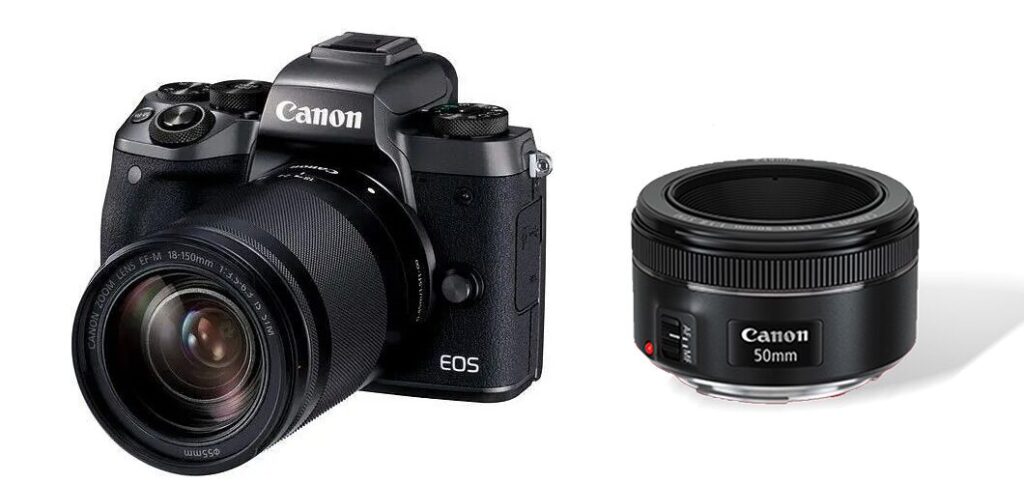
Recommended Applications:
For low-torque lubrication and the prevention of oil seepage on the threaded surfaces and peripheral friction points of lenses within precision machinery and optical instruments;
Recommended for the lifetime lubrication of precision mechanisms—such as lens focusing threads, worm gears, lead screws, lifting spirals, handwheel assemblies, dovetail grooves, and guide rails—found in measuring instruments, microscopes, telescopes, video cameras, slide projectors, physical spectrometers, aerial remote sensing equipment, and still cameras.
For optical equipment, selecting the right grease is essential to ensure smooth movement, stable damping, and long-term precision. A suitable optical lens grease helps improve user feel, reduce wear, and maintain consistent performance under varying conditions. VNOVO provides lubrication solutions tailored for optical instruments, supporting reliable and precise operation across different applications.