
In industrial fluid systems such as water treatment, chemical processing, HVAC, hydraulic units, and pneumatic control networks, filter valves play a critical role in flow control, isolation, and contamination protection. Their sealing elements — including O-rings, stem packings, gaskets, and seat seals — depend on the right grease to reduce breakaway force, protect the seal during installation and cycling, and maintain leak-tight performance over time. In many cases, silicone grease is a common choice, but it is not the right answer for every valve application.
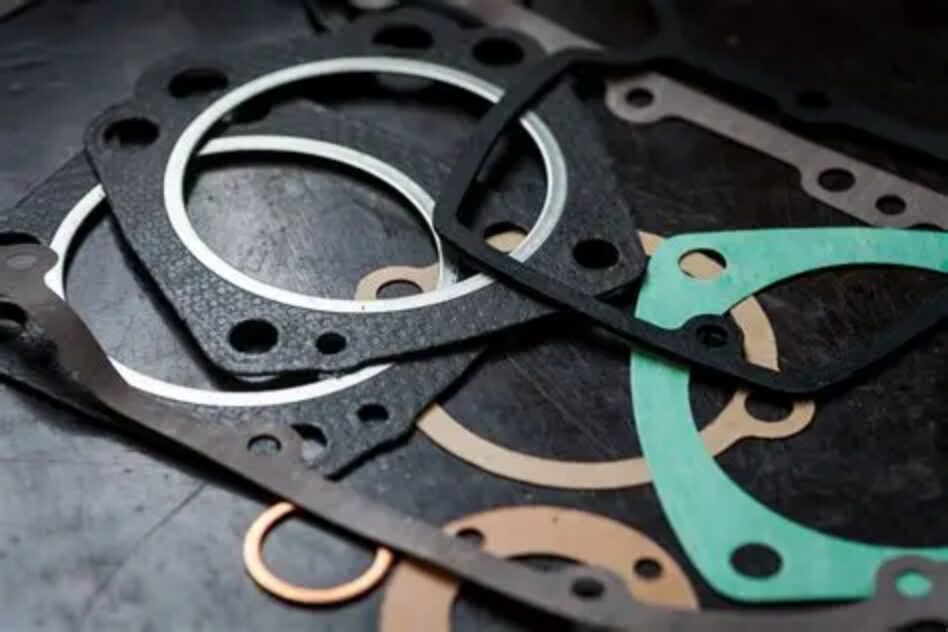
Why filter valve seals are a special lubrication case
Filter valve seals usually work under static or slow-dynamic conditions rather than continuous high-speed motion. That means the grease is expected to preserve seal integrity, reduce sticking, and stay stable during long idle periods rather than serve as a high-load moving lubricant.
These valves also use a wide range of seal materials, including NBR, FKM, EPDM, PTFE-composite, and silicone rubber. Silicone greases are popular because they are generally compatible with many common elastomers and offer good temperature stability. In some valves, especially solenoid-operated or instrumentation valves, silicone grease is also valued for its dielectric properties.
However, the application still has limits. Filter valves may face water, chemicals, oils, gases, and outdoor temperature variation. Infrequent cycling can leave the grease sitting in place for long periods, so it must resist drying, hardening, bleeding, or washout.
Why valve seal problems still happen
Using silicone grease does not guarantee good seal performance.
One common issue is process fluid incompatibility. Silicone grease works well in water and many aqueous environments, but not in every hydrocarbon, solvent, or aggressive chemical. If the process fluid attacks the grease, the protective film disappears and the seal is left exposed.
Another issue is elastomer swelling. While silicone grease is broadly compatible, some natural rubber compounds and certain EPDM grades may swell, which can increase friction or reduce sealing force.
Over-application is another risk. Excess grease inside the valve body can migrate into the process stream, which is especially problematic in filtration, food, pharmaceutical, or high-purity systems. Silicone grease also has limited load-carrying capacity compared with PAO, ester, or mineral-oil-based greases, so in high-compression stem packing or heavily loaded seals it may be squeezed out of the contact zone.
Finally, silicone contamination can interfere with painting and coating processes, and silica-thickened silicone greases may soften under repeated shearing if the valve cycles frequently.
What properties matter most
A suitable sealing silicone grease should be evaluated in four areas:
1. Silicone base oil type
- Dimethyl silicone (PDMS): general-purpose sealing grease with a wide temperature range
- Phenylmethyl silicone: better high-temperature stability and lubricity
- Fluorosilicone: better resistance to fuels, oils, and some solvents
2. Thickener system
Most sealing silicone greases use fumed silica. These products are non-melting and retain structure at elevated temperature, which is useful in static sealing applications. However, they generally have lower shear stability than soap-thickened greases.
3. Consistency
For most valve seals, NLGI 0–2 is appropriate for thin-film lubrication of O-rings and static seals. Heavier compound-style products are more suitable for thread sealing or where flow resistance is needed.
4. Performance priorities
The key checks are:
- temperature range
- water resistance
- chemical resistance
- dielectric strength
- elastomer compatibility
- low migration and low oil separation
How to choose the right grease
Start with the valve design and seal materials. Confirm whether the valve uses NBR, FKM, EPDM, silicone rubber, or PTFE-composite seals, and identify the process fluid, pressure, temperature, and cycling frequency. Then match the grease to the environment.
As a practical guide:
- Water and aqueous systems: water-resistant dimethyl silicone grease
- Oil, fuel, or hydrocarbon exposure: fluorosilicone or, in severe cases, PFPE
- Food or pharmaceutical systems: products with the required food-grade registrations
- High-purity water systems: low-extractable, low-bleed formulations
- Frequently cycled valves: verify whether silicone shear stability is adequate, or consider PAO-based alternatives
Apply only a thin, even film. In sealing applications, more grease does not mean better performance.
How VNOVO can help
VNOVO supports filter valve sealing grease selection through selection guidance, material matching, and scenario communication. This includes reviewing valve type, seal materials, process fluid, cycling profile, temperature range, and compliance requirements, then identifying whether silicone grease is appropriate or whether another direction, such as PAO or PFPE, would be a better fit.