
By VNOVO Technical Support Team
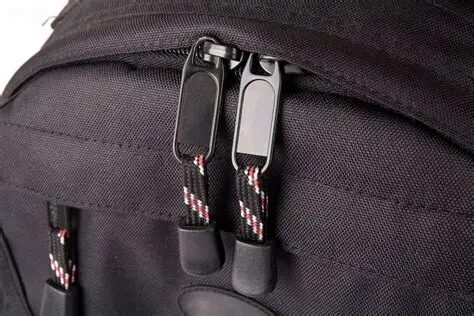
Zippers are everywhere – garments, luggage, outdoor gear, marine covers, tents, and industrial enclosures. When a zipper sticks, jams, or corrodes, the entire product suffers. Silicone grease has become the preferred zipper lubricant across many industries, but not all silicone greases perform equally, and not every zipper problem needs silicone.
This article explains what makes zipper applications demanding, what commonly goes wrong, how formulation properties translate into zipper performance, how to select appropriately, and where VNOVO technical support can help.
What Makes Zipper Applications Demanding for Silicone Grease?
Zipper systems present specific challenges:
– Mixed material contact. Metal or plastic teeth engage with a slider, running against woven tape (polyester, nylon). The lubricant must work across metal-to-metal, plastic-to-plastic, and plastic-to-fabric interfaces.
– Wide environmental exposure. Outdoor zippers face rain, salt spray, UV, temperature extremes (-30 °C to 60 °C+), and dust. Marine zippers experience chronic saltwater exposure.
– Corrosion prevention on metal zippers. Brass, aluminum, and nickel-plated teeth are susceptible to corrosion in saltwater or humidity. The lubricant must form a protective barrier that stays in place.
– No residue on fabric. The lubricant must not stain, discolor, or stiffen surrounding textile.
– Low friction across wide temperature range. A zipper that works at room temperature must not stiffen in cold. Silicone’s high viscosity index and minimal viscosity change with temperature suit this requirement naturally.
– Long-lasting with infrequent re-application. Consumers rarely re-lubricate zippers. The grease must remain effective through months or years of intermittent use.
– Compatibility with elastomeric components. Waterproof zippers incorporate rubber or TPU seals. Silicone greases are widely recognized for not swelling most plastics or elastomers.
Why Do Zipper Problems Persist Even When Silicone Grease Is Applied?
Six failure modes continue to cause issues:
1. Grease attracting dust and sand. Tacky silicone formulations attract particulate contamination, creating a grinding paste that accelerates wear.
2. Staining or stiffening fabric tape. Low-viscosity silicone fluids can wick into textile, causing visible staining or stiffness on light-colored materials.
3. Wash-off in marine or heavy-rain environments. Formulations without water resistance can be displaced by saltwater or heavy rain, leaving the zipper unprotected.
4. Incompatibility with waterproof zipper seals. Some formulations cause swelling or degradation of TPU or rubber seal strips, compromising the water seal.
5. Insufficient corrosion protection on metal zippers. Silicone greases with low adhesion may not maintain a continuous barrier on brass or aluminum teeth, allowing corrosion at contact points.
6. Over-application clogging the slider. Excess grease accumulates inside the slider, attracting debris and causing jams.
What Properties Determine Whether a Silicone Grease Will Perform on Zippers?
Key properties:
– Base oil viscosity. Lower viscosity (100-1000 cSt) spreads easily on small teeth but may wick into fabric. Higher viscosity (1000-12,500+ cSt) stays on teeth but requires more deliberate application.
– Non-tacky surface after application. A well-formulated silicone grease should lubricate without leaving a persistently sticky surface that attracts contamination.
– Water resistance. Tackifier-enhanced silicone formulations resist wash-off. This is distinct from silicone’s inherent water repellency – the grease must also stay in place under water flow.
– Plastic and elastomer compatibility. Silicone greases do not swell most plastics or elastomers, suiting them for plastic zippers and waterproof seals. Specific TPU or rubber compounds should still be verified.
– Fabric non-staining. The formulation should not transfer color or visible residue to textile tape.
– Temperature range stability. Silicone’s high viscosity index means minimal viscosity change between cold and hot conditions.
– Corrosion barrier on metal. The grease must maintain a continuous, adherent film on metal teeth to prevent moisture and salt contact.
How to Select the Right Silicone Grease for Your Zipper Application
Step 1 – Identify the zipper type and environment:
| Zipper Type | Typical Use | Key Challenge |
| Metal tooth (brass/aluminum) | Jackets, luggage, marine covers | Corrosion prevention, smooth engagement |
| Plastic tooth (polyacetal/delrin) | Outdoor gear, sportswear | Low friction, plastic compatibility, no fabric stain |
| Waterproof (TPU-sealed) | Marine, rainwear, dive gear | Seal compatibility, water resistance |
| Coil zipper (nylon spiral) | Tents, sleeping bags, garments | Fabric non-staining, low-temp performance |
| Heavy-duty industrial | Enclosures, equipment covers, tarps | Corrosion, load, long service interval |
Step 2 – Match formulation: Metal zippers need corrosion barrier + adhesion. Plastic/coil zippers need low friction + fabric non-staining. Waterproof zippers need TPU compatibility + water resistance.
Step 3 – Select format: Single-use packets or small tubes for consumer/field use. Larger containers for manufacturing or maintenance programs.
Quick Reference: Selection Guide
| Zipper / Environment | Key Properties | Direction |
| Metal zipper – marine/salt | Corrosion barrier, wash-off resistance | Higher-viscosity silicone; tackifier-enhanced; water-resistant |
| Metal zipper – general outdoor | Corrosion prevention, smooth operation | Medium-viscosity silicone; good film persistence |
| Plastic zipper – outdoor gear | Plastic compatibility, no fabric stain, low temp | Low-to-medium viscosity silicone; non-tacky finish |
| Waterproof zipper (TPU seal) | TPU compatibility, water resistance | Silicone with verified TPU compatibility |
| Coil zipper – cold climate | Low-temp performance, fabric non-staining | Low-viscosity silicone; high VI |
| Heavy-duty industrial | Long-lasting barrier, corrosion, infrequent service | Higher-viscosity silicone; high adhesion |
How VNOVO Provides Technical Support
VNOVO does not supply off-the-shelf “zipper silicone grease” with universal claims:
Application-Oriented Selection Guidance – VNOVO reviews your zipper type, operating environment, material list, and re-lubrication interval, mapping them against formulation categories to recommend silicone viscosity range, tack level, water resistance rating, and application method.
Material Compatibility Verification – VNOVO helps assess candidates against all materials: teeth metal or plastic, slider material, tape fiber, and any waterproof seal compound (TPU, rubber) – with emphasis on seal compatibility and fabric non-staining behavior.
Scenario-Based Communication Support – VNOVO provides rationales explaining *why* a direction is suggested, what trade-offs exist (higher viscosity = better adhesion and corrosion barrier but harder to spread vs. lower viscosity = easy application but wicking risk; tackifier = better wash-off resistance but more dust attraction), and what validation steps to prioritize.
Conclusion
When to use specialized silicone grease on zippers
When the zipper operates in marine or wet environments requiring corrosion protection and wash-off resistance, uses metal teeth susceptible to corrosion, incorporates waterproof TPU or rubber seals requiring verified compatibility, or must perform smoothly across wide temperature ranges with infrequent re-lubrication.
When a general-purpose approach may suffice
When the zipper is used in dry indoor environments on plastic or coil teeth, operates within a narrow temperature range, has no waterproof seal components, or is a low-cost item where occasional sticking is acceptable.
What VNOVO can support
1. Selection guidance – translating zipper type, environment, and material requirements into silicone viscosity range, tack level, water resistance, and application method
2. Material matching – assessing compatibility between candidates and zipper metals, plastics, tape fibers, and seal elastomers
3. Scenario communication – providing the technical rationale and decision framework to specify, validate, and apply the right silicone grease for your zipper application
*This article is provided for informational purposes based on publicly available industry references and established lubrication engineering principles. Specific product selection should always be verified against the zipper manufacturer’s guidelines, OEM recommendations, lubricant supplier technical data sheets, and material compatibility data.*