

The power window regulator is the most frequently moving component in a car door system. The motor drives the gear mechanism, moving the window glass along the guide rail. In this action, the lubricating grease must simultaneously cope with two completely different operating conditions: during rapid ascent, the gear rotational speed is high, and centrifugal force throws the grease out of the meshing zone; during slow descent, the sliding speed of the tooth surface is low, and stick-slip shuddering noise is more likely to trigger.
The same window regulator, the same grease, the same tooth surface — high speeds and low speeds are pushing the grease in two opposite directions.
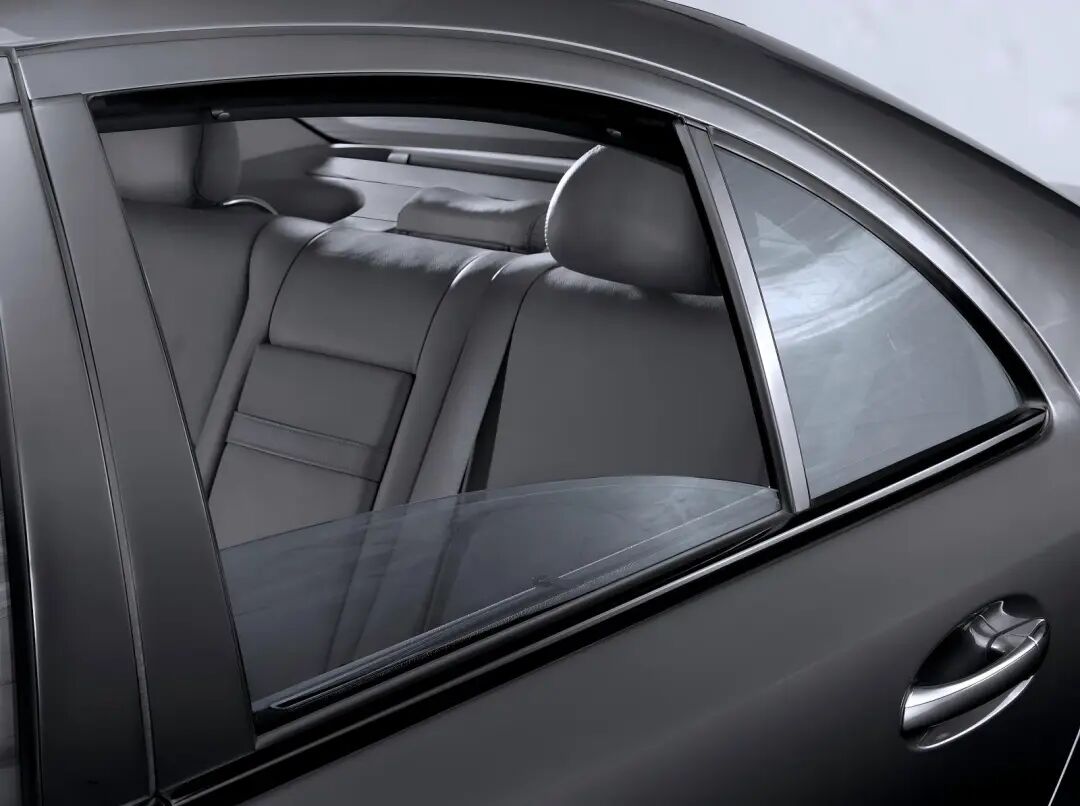
Rapid Ascent — Centrifugal Force Throws the Grease Outward
The rotational speed of the motor’s output stage gear can reach hundreds of rpm, and the grease is flung towards the tooth roots or housing edges under the action of centrifugal force. Inside the car door during summer, temperatures hit 70-80°C, causing the base oil viscosity to drop and further weakening its resistance to being thrown out. With the three factors of high temperature, rotational speed, and centrifugal force superimposed, the oil-starved tooth surface transitions from boundary lubrication into dry friction.
Slow Descent — Sliding Speeds Drop into the Stick-Slip Trigger Zone
During descent, the sliding speed of the tooth surface is low, the oil film thins, and the difference between the static and kinetic friction coefficients dominates frictional behavior. Low speeds are more prone to triggering a cyclic switch between “sticking” and “sliding,” releasing energy that produces a shuddering or groaning noise. At a low temperature of -30°C, the base oil thickens, the gap between the static and kinetic friction coefficients widens further, and the noise exacerbates.
High-Speed Oil Throw-Off and Low-Speed Stick-Slip Contradict Each Other
Resisting high-speed oil throw-off requires high consistency and high adhesion; suppressing low-speed stick-slip requires low consistency and a low static-kinetic friction coefficient differential. These two are mutually exclusive at the formulation level. The grease must find a balance point between high adhesion and low friction. The greater the speed differential, the narrower the grease selection window.
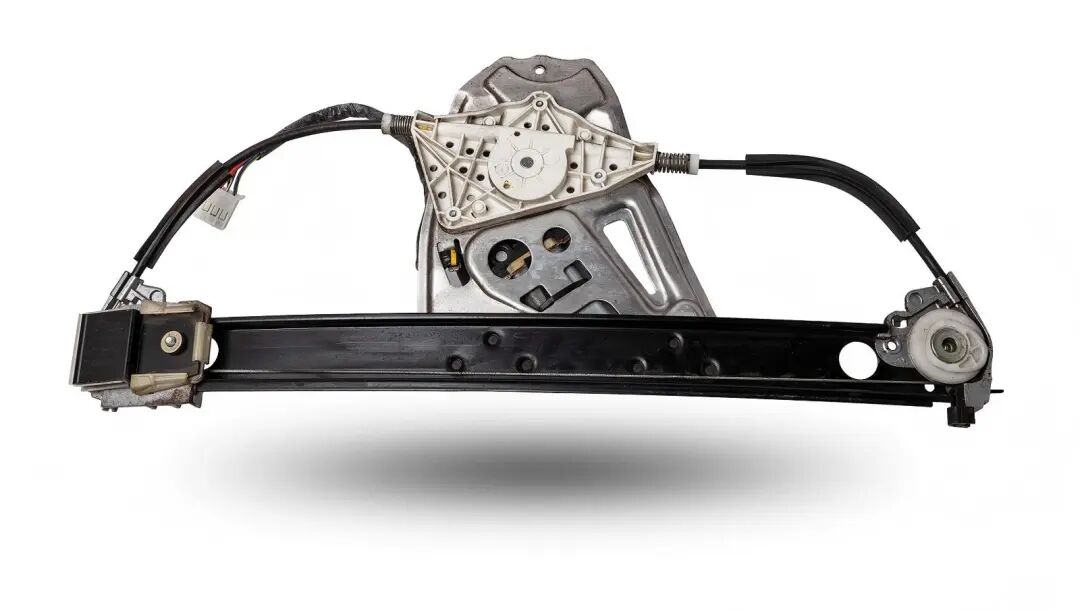
Grease Selection Logic: Covering Both Directions Simultaneously
High adhesion to resist centrifugal force — complex thickeners and tackifiers ensure no loss at hundreds of rpm and 80°C. Low static-kinetic friction coefficient differential — fully synthetic base oil combined with solid lubrication components presses this differential down to below 0.02. Broad temperature range — flat variations in consistency and viscosity from -30°C to +80°C. The speed differential parameter must be written into the specification; otherwise, high-speed oil throw-off or low-speed shuddering noises easily appear during DV testing, dragging out the cycle for reformulating later.
There are already products being made according to this logic, such as the VNOVO series of dedicated greases for power window regulators.