
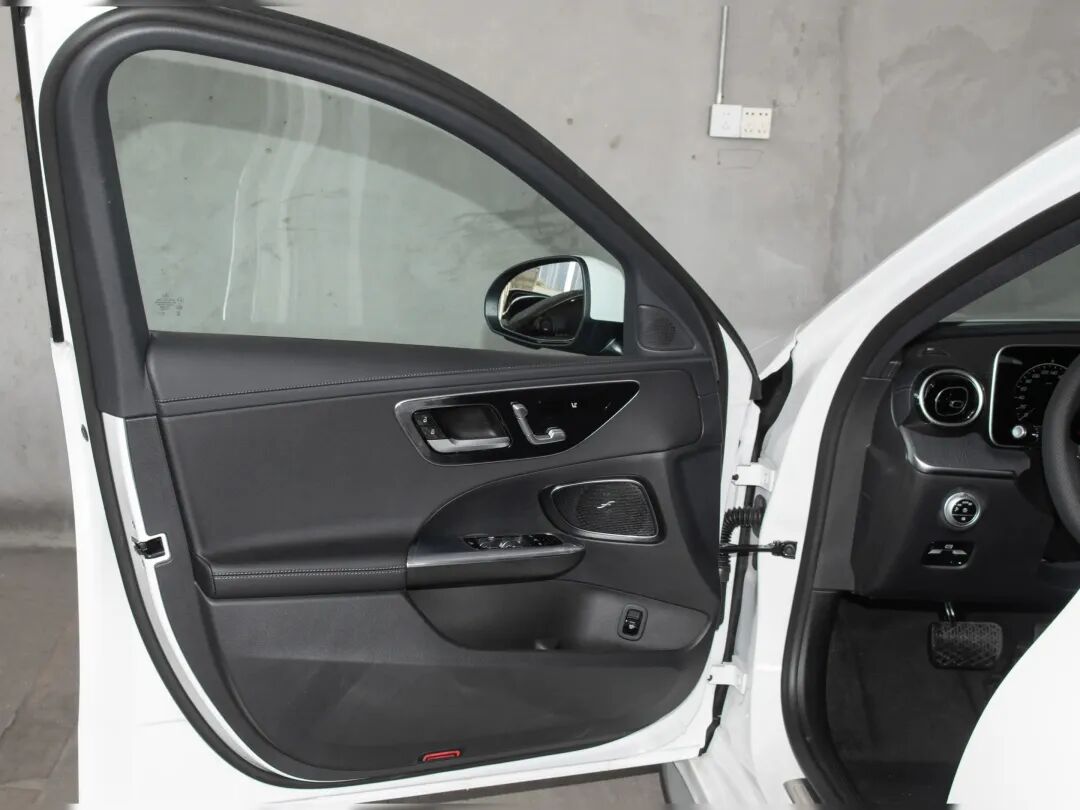
Car body weatherstripping seals are the first line of defense for a quiet interior. The lubricating coating between the EPDM rubber lip and the glass or sheet metal determines whether the window rolls up and down “silently” or “with a groan.”
In discussions regarding seal lubrication, most attention is focused on “how to eliminate stick-slip noise.” This addresses problems when the parts are brand new from the factory. But seals are rubber parts; under long-term compression, EPDM undergoes compression set (permanent deformation) — the shape of the lip changes, and the contact pressure with the glass/sheet metal changes along with it. Once contact pressure changes, the friction characteristics change, and a previously quiet system may start groaning again.
This is not a case of the grease failing; rather, the contact state of the seal has changed, and the grease must adapt. The difficulty of doing this is an order of magnitude higher than greasing a brand-new part.
Compression Set — Seals Age Even When “Windows Are Closed”
After long-term compression, the polymer chain segments of EPDM rubber undergo irreversible rearrangement, meaning it cannot fully return to its original shape after pressure is removed. The compression set rate is typically between 20% and 40%, which means the lip contact pressure will drop to 60-80% of its initial installation level after a few years.
Once the pressure drops, the interface friction state drifts from boundary lubrication toward dry friction. When a new seal is coated with grease, stick-slip is suppressed within a contact pressure range of 0.1-0.3MPa. A few years later, when the pressure drops to 0.05-0.15MPa, if the grease lacks sufficient low-pressure stick-slip suppression capability, the noise will return. The grease hasn’t aged; the aging seal has changed the “effective pressure window” required of the grease.
The “Compensation” Logic of Grease — Adapting to Deformed Contact States
Compression set cannot be eliminated. The compensation logic of the grease is a superimposition of three dimensions: Rubber Compatibility — base oil must not migrate into the EPDM to accelerate aging or swelling, otherwise a vicious cycle begins; Persistent Adhesion — seals require no maintenance for life, so the coating must cover the entire lifespan of the vehicle; Broad-Pressure Stick-Slip Suppression — it must push the differential between static and kinetic friction coefficients to a minimum, under both design pressure and post-aging low pressure.
From “Silencing New Parts” to “Lifelong Silencing”: Shifting Selection Logic
Ordinary coatings can handle silencing stick-slip on new parts. But add a “lifelong” constraint, and the grease selection logic must be upgraded. Synthetic hydrocarbon/ester base oils have excellent compatibility with EPDM and do not accelerate compression set. A dry film coating formed by solid lubrication components neither volatilizes nor washes away, pushing the static-kinetic friction coefficient differential down to below 0.02 across a wide pressure range of 0.05-0.3MPa.
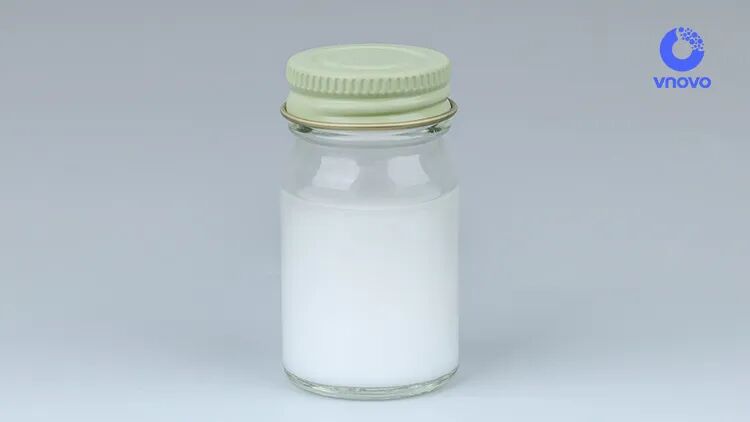
Products are already being designed according to this logic, such as the VNOVO series of dry film lubricants for weatherstripping seals.
Seal noise often does not appear in the first year of a new car, but rather starts cropping up in the third or fifth year. Compression set drags the contact pressure down, and the grease’s stick-slip suppression window must expand downward with it. Being quiet as a new part is merely a passing grade; still being quiet ten years later is a perfect score.