
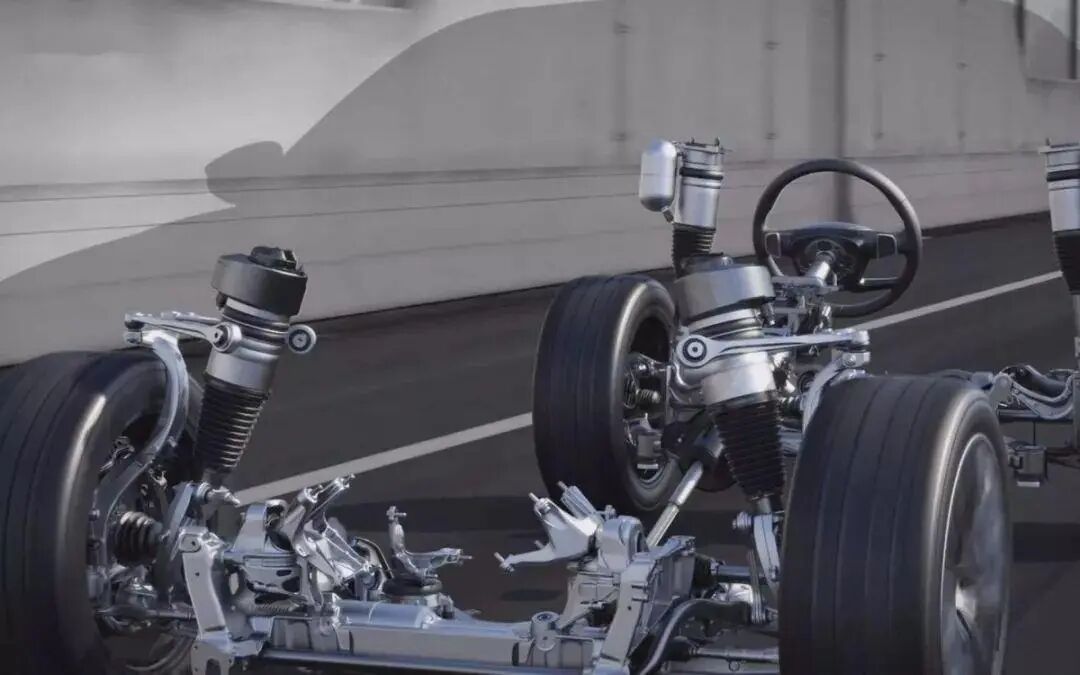
Universal joints with a cross shaft exist at both ends of a steering intermediate shaft, and there is a phase angle deviation between them. This is an inherent characteristic — the input and output ends of a single universal joint experience periodic angular velocity fluctuations. When these fluctuations are transmitted to the steering wheel, they manifest as torque fluctuations, typically with an amplitude in the range of 0.1-0.3 N·m. If it exceeds the threshold, it is evaluated as “poor steering feel.”
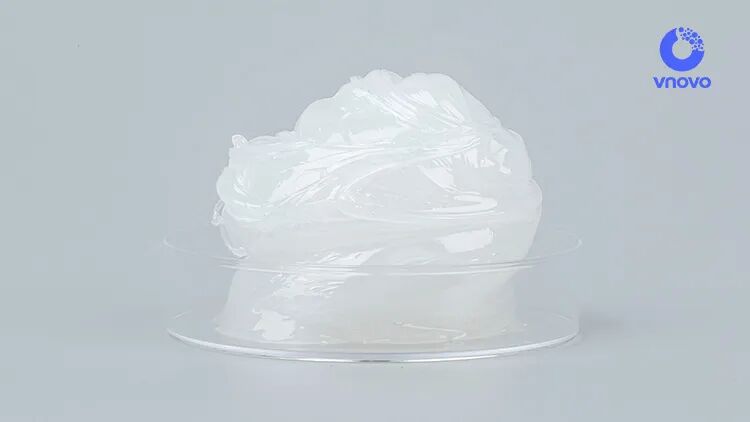
The damping characteristics of the grease sit exactly on the path of this fluctuation transmission.
Damping Too Large or Too Small: Both Are Problems
The kinematics of the universal joint are fixed, meaning torque fluctuations are locked in mechanically and cannot be eliminated by grease. However, damping can alter the transmission efficiency of these fluctuations — acting like a “filter.” If damping is too high, rotation resistance is large, and fluctuations get “stuck” on the intermediate shaft, making the steering wheel feel “stiff” or “heavy,” as if wrestling with your hands. If damping is too low, the fluctuation transmits to the hands with almost no attenuation, making the steering wheel feel “loose” with obvious pulsations.
Ideal damping lies somewhere in the middle: it attenuates the fluctuation amplitude without introducing extra rotational resistance.
Damping Drift with Temperature: Two Different Cars in Winter and Summer
The damping characteristics of ordinary grease change significantly with temperature. At -30°C, damping spikes, making the steering wheel heavy; at +80°C, damping bottoms out, fluctuations pass unattenuated, and the steering wheel feels feather-light but “loose.” If the same driver feels stiffness in winter and looseness in summer, it may very well be the temperature drift of the intermediate shaft grease’s damping at fault. The magnitude of damping variation over a broad temperature range must be controllable — this is the first hard rule of grease selection.
Damping Coupling at the Splined Slip Joint
The grease inside the splined slip joint also endures torque fluctuations. If the spline grease damping does not match the universal joint grease damping, torque fluctuations will “reflect” at the spline interface, manifesting as high-frequency vibration in the steering wheel. The grease in these two locations forms a single system, and their damping must be considered together.
From “No Wear” to “Right Feel”: Shifting Selection Logic
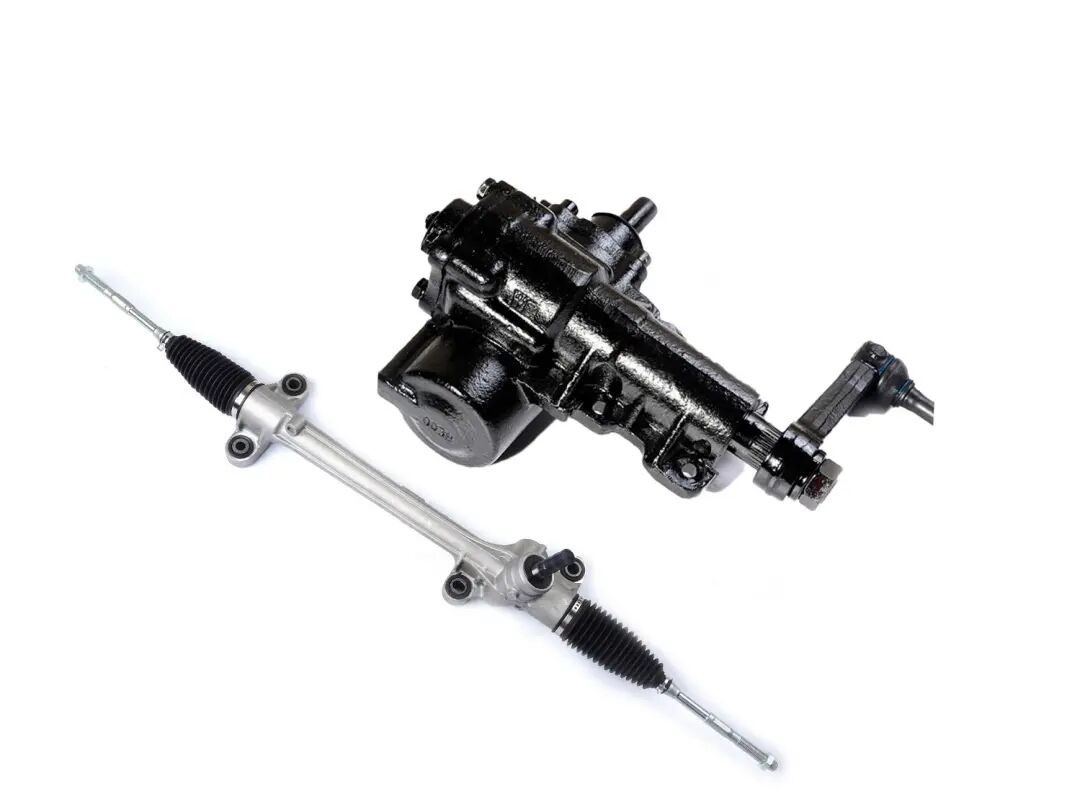
The traditional approach is to prevent fretting wear, rust, and jamming. With the popularization of Electric Power Steering (EPS), the standard has risen from merely “not breaking” to providing the “right feel.” The damping characteristics of the grease must remain flat from -30°C to +80°C, the friction coefficient must be stable without introducing extra fluctuations, and the damping of the universal joint and the spline must match.
Products are already being designed according to this logic, such as the VNOVO series of damping greases specifically for steering intermediate shafts.